Welcome to Jiangmen Tufeng Chemical Co., Ltd.
Oil based industrial paint
-
DB-1A Acrylic Metal Baking Paint Series
-
DB-2B Polyurethane Two-Component Paint Series
-
DB-3C Acrylic Plastic Paint Series
-
DB-4D Alkyd Antirust Paint Series
-
DB-7G Epoxy Anti-rust And Anti-corrosion Primer
-
DB-7G Epoxy Anti-Rust And Anti-Corrosion Paint Series
-
DB-7G High-temperature Anticorrosive Coating Is resistant To 300 Degrees
-
DB-8H Fluorocarbon Paint Series
-
DB-9K Rubber Paint Series
-
DB-11M High Temperature Paint Series
-
DB-12N Floor Paint Series
-
DB-16T Thermal Insulation Coating Series
-
DB-17 Polyurea Waterproof Coating Series
-
DB-18V Oil-Based Exterior Wall Paint Series
-
Polyamide Side Lacquer
-
Epoxy Cloud Iron Intermediate Paint
-
Epoxy Rich In Zinc Primer
-
Chlorinated Rubber Anti-corrosion Coating Material
-
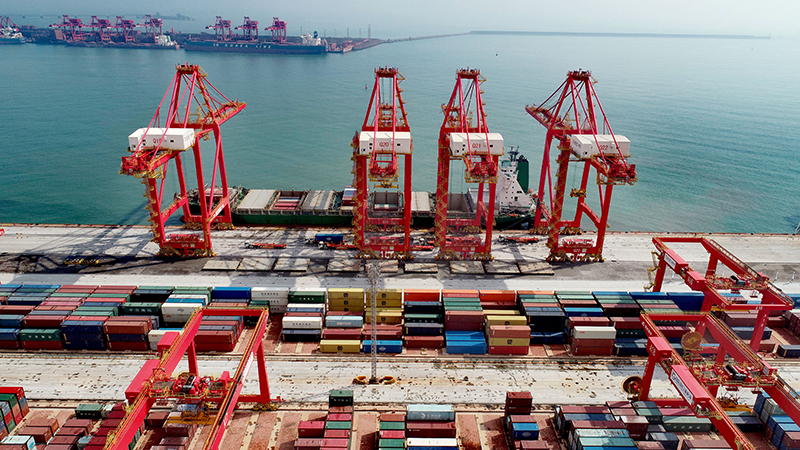 Highly Chlorinated Polyethylene Anti-corrosion Coating
-
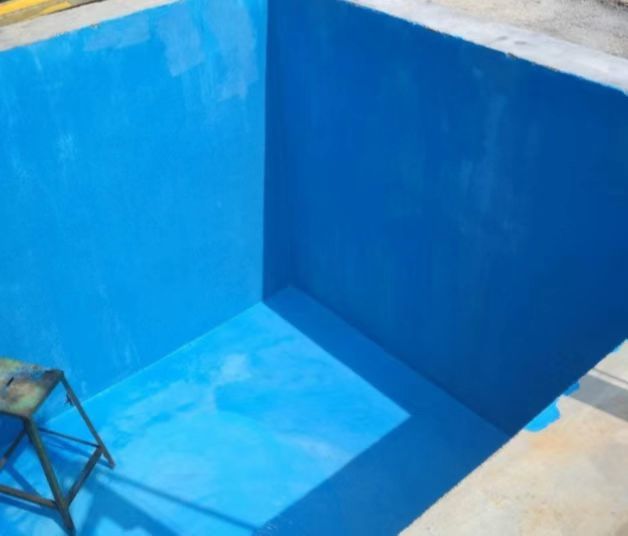 Water-resistant Coatings
Epoxy Anti-rust and Anti-corrosion Paint Series
DB-7G706 epoxy zinc-rich primer is mainly composed of epoxy resin, zinc powder, rust-proof pigments, fillers, auxiliaries, solvents, etc. Epoxy zinc-rich primer is a type of coating with epoxy resin as the main film-forming substance. It has excellent adhesion and chemical corrosion resistance, good alkali resistance, and a hard coating; it is the most important anticorrosion paint product, mainly used for anticorrosion coating. Epoxy zinc-rich primer is usually used as a primer for anticorrosion paint.
Epoxy anti-rust and anti-corrosion paint (heavy-duty anti-corrosion, light-duty anti-corrosion)
Epoxy Rust Preventive and Anticorrosive Paint (Heavy Anticorrosive, Light Anticorrosive) I. Product Introduction: Epoxy rust preventive and anticorrosive paint is a special type of paint with excellent physical properties, such as good water resistance, acid and alkali resistance, tough film, strong adhesion, oil resistance, salt resistance, and resistance to chemical gas corrosion. It is used as a general-purpose anticorrosive paint for steel structure pipelines. It can be cured at room temperature, and the substrate treatment is relatively simple; only the surface mud, oil stains, and loose rust need to be removed before painting. Composition and Properties: Epoxy rust preventive and anticorrosive paint is mainly composed of epoxy resin, rust-proof pigments, additives, and organic solvents. Epoxy resin is the main film-forming substance of the paint and has excellent adhesion, wear resistance, and chemical corrosion resistance. Rust-proof pigments and additives provide rust prevention and corrosion protection functions, effectively resisting the erosion of moisture, oxygen, and corrosive substances. Organic solvents are used to adjust the paint's application properties and drying speed. II. Product Features: Excellent weather resistance: It can withstand the effects of ultraviolet rays, high and low temperatures, and other harsh weather conditions, maintaining long-term stable rust prevention and corrosion protection effects. Strong wear resistance: Even in heavy load and high friction environments, it can maintain the integrity and rust prevention performance of the coating. Excellent corrosion resistance: It can effectively resist the corrosion of various chemicals, protecting the substrate from corrosion damage. III. Product Applications: Chemical industry: Corrosion protection of the inner and outer walls of equipment in chemical plants, refineries, and storage tanks. Shipping industry: Corrosion protection of the waterline and above parts of ship hulls, cabins, and shipboard equipment. Construction industry: Rust prevention and corrosion protection of steel structure bridges, large factories, and outdoor sculptures. It can also be used for steel structure pipelines, large offshore platforms, wind power towers, oil pipelines, granaries, steel structure metal substrates, etc., providing high protection. IV. Technical Parameters: Index Parameter Color Gray, iron red, light yellow, etc. (different colors can be provided according to customer requirements) Specific gravity L/Kg 1:1.9 Flash point ℃ 26 Theoretical consumption kg/m2 0.15-0.25 Adhesion grade 0 Flexibility mm ≤2 Impact strength kg.cm 50 Salt spray resistance h ≧500 Film thickness um 180-200 Drying time h 23±2℃):Surface dry ≤2, Full dry ≤24 Ratio: Component A (paint): Component B (curing agent): Special thinner C = 5:1:1 (weight ratio), the ratio of components A and B can be adjusted according to the temperature Shelf life 12 months Drying time Surface dry (min) ≤20 Full dry (h) ≤24 V. Construction Instructions: Surface treatment: Ensure that the substrate surface is dry, clean, and free of oil stains and rust before construction. Different derusting standards should be achieved according to the usage environment. Paint mixing: Mix the main paint and curing agent according to the specified ratio, ensuring that there are no sediments or lumps. Adjust the viscosity by diluting the paint with a special thinner to the working viscosity. Painting and construction: Brushing, rolling, or spraying methods can be used to ensure that the coating is uniform and without omissions. Drying and curing: The next coat must be applied after the previous coat has dried or cured. The number of coats and coating thickness should be determined according to the construction design requirements and should completely cover the substrate. The total amount of each coat is 0.15-0.25 kg/㎡. Number of coats: The base coat generally has 1-2 coats, and the thickness of each coat must reach more than 80-100 μm. Design requirements: When the coating surface needs to be smooth and flat, the last coat should be smoothed to ensure a uniform and flat outer surface. VI. Precautions: Mix the paint and curing agent according to the required ratio before use. Mix only the amount needed and use it within 4 hours. The product should be stored in a cool, ventilated place, away from direct sunlight, fire sources, and heat sources. Keep the construction process dry and clean. Avoid contact with water, acids, alcohols, alkalis, etc. After mixing the paint, the curing agent packaging bucket must be tightly sealed to prevent solidification. Workers should wear safety masks and gloves to avoid contact with skin or eyes. In case of accidental contact, rinse with clean water. If you feel unwell, seek medical attention. Waste material handling must comply with environmental protection requirements. Do not discard it at will.
CONTACT US
Address: Longan Industrial Zone, Duruan Town, Pengjiang District, Jiangmen City, Guangdong Province


FEEDBACK
Fill in your phone number and email information, and we will contact you in time to solve your problem as soon as possible.






Inquire Now