Welcome to Jiangmen Tufeng Chemical Co., Ltd.
Oil based industrial paint
-
DB-1A Acrylic Metal Baking Paint Series
-
DB-2B Polyurethane Two-Component Paint Series
-
DB-3C Acrylic Plastic Paint Series
-
DB-4D Alkyd Antirust Paint Series
-
DB-7G Epoxy Anti-rust And Anti-corrosion Primer
-
DB-7G Epoxy Anti-Rust And Anti-Corrosion Paint Series
-
DB-7G High-temperature Anticorrosive Coating Is resistant To 300 Degrees
-
DB-8H Fluorocarbon Paint Series
-
DB-9K Rubber Paint Series
-
DB-11M High Temperature Paint Series
-
DB-12N Floor Paint Series
-
DB-16T Thermal Insulation Coating Series
-
DB-17 Polyurea Waterproof Coating Series
-
DB-18V Oil-Based Exterior Wall Paint Series
-
Polyamide Side Lacquer
-
Epoxy Cloud Iron Intermediate Paint
-
Epoxy Rich In Zinc Primer
-
Chlorinated Rubber Anti-corrosion Coating Material
-
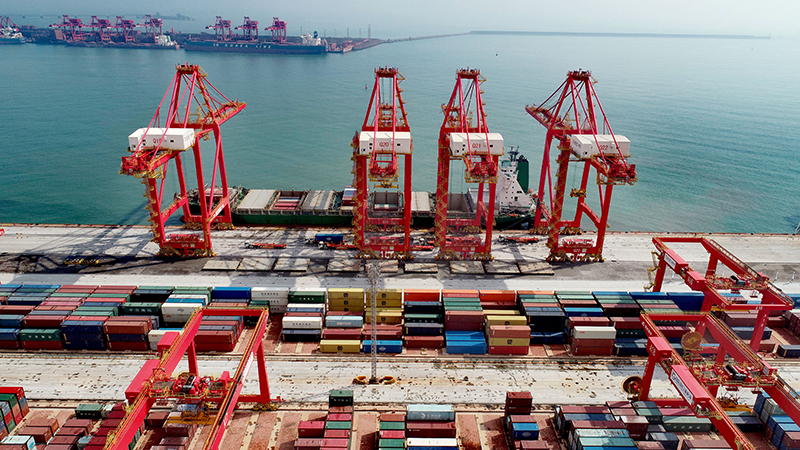 Highly Chlorinated Polyethylene Anti-corrosion Coating
-
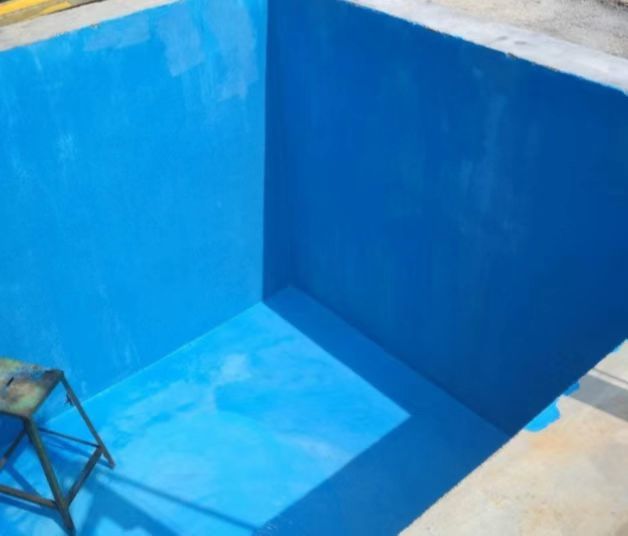 Water-resistant Coatings
Epoxy high-temperature anticorrosion coating
I. Product Introduction: Epoxy high-temperature anticorrosion paint is a special paint designed for high-temperature and highly corrosive environments. It utilizes the excellent properties of organosilicon resin and epoxy resin, combined with specific curing agents and additives, to form a tough, heat-resistant protective layer that effectively resists the erosion of external corrosive media. Its main characteristics include excellent heat resistance, corrosion resistance, wear resistance, strong adhesion, and good mechanical properties. It can maintain its protective effect for a long time under harsh conditions such as high temperature, high humidity, and strong corrosion, and is widely used in equipment protection in the petroleum, chemical, power, and metallurgical industries. II. Main Components and Their Functions: The main components of epoxy high-temperature anticorrosion paint are based on organosilicon resin and epoxy resin, combined with special curing agents, pigments, and fillers, etc. Through careful design and preparation, a unique anticorrosion system has been formed. The main function of this paint is to provide long-term and effective protection for various substrates under harsh conditions such as high temperature and strong corrosion. Organosilicon resin: As the main film-forming substance of the paint, it can form a protective film on the surface of the substrate, which has good high-temperature resistance and can effectively prevent the oxidation and corrosion of the substrate in high-temperature environments. At the same time, organosilicon resin also has good adhesion and wear resistance, which can enhance the stability and durability of the coating. Epoxy resin: As the main film-forming substance of the paint, it provides good adhesion and corrosion resistance. Curing agent: Reacts chemically with the epoxy resin to form a strong protective layer on the surface of the substrate. Pigments and fillers: Give the paint color and texture, while enhancing the weather resistance and corrosion resistance of the coating. Additives: Such as leveling agents, defoamers, and anti-settling agents, are used to adjust the application performance and storage stability of the paint. III. Product Features: Excellent heat resistance: It can work for a long time in environments up to hundreds of degrees Celsius without failure, ensuring the long-term stability and safety of the substrate. Excellent anticorrosion performance: By forming a dense protective film, it effectively isolates the corrosive medium from the substrate, greatly extending the service life of the substrate. Good chemical stability: It can resist the erosion of various chemical substances such as acids, alkalis, and salts, maintaining the integrity and functionality of the coating. IV. Application Range: Epoxy high-temperature anticorrosion paint is widely used in the petroleum, chemical, power, metallurgy, and aerospace industries. For example, in the petroleum and chemical industry, it is often used for the protection of equipment such as storage tanks, oil pipelines, and reactors; in the power industry, it can be used for high-temperature corrosion protection of equipment such as boilers, steam turbines, and generators. It can also be used for chimneys, flues, high-temperature hot gas pipelines, heat exchangers, and other metal surfaces requiring high-temperature corrosion protection. Through the analysis of practical application cases, we can find that epoxy high-temperature anticorrosion paint has shown excellent anticorrosion effect and service life in these fields. V. Coating Properties and Performance Item Index Test Standard Film appearance and color Black, silver, medium gray, smooth and flat film, color conforms to the sample GB9761 Viscosity (SC coating-4#/20℃) 60-90 GB/T1723 Adhesion (cross-cut method) 0 GB9286 Pencil hardness ≥2H GB6739 Flexibility, mm ≤1 GB/T1731 Water resistance (40℃) 240h No significant change GB/T1733 Impact strength, kg,cm ≥35 GB/T1732 Heat resistance, 600℃/30 min No blistering, no peeling, slight discoloration GB/T1735 Salt spray resistance, 120h ≤2 GB/T1771 Weather resistance, 200h Loss of gloss ≤20%, pigment ▲E≤3.0NBS, no other significant changes ASTMG53 VI. Construction Reference 1. Before construction, the metal surface should be degreased, derusted, and cleaned of dirt to improve the adhesion of the coating (preferably after sandblasting); 2. Construction ratio [5 kg paint: 1 kg curing agent: about 3 kg thinner] 3. Xylene can be used as a thinner. Air spraying is preferred, but brushing can also be used, but it is not easy to dry; 4. If sedimentation is found during storage, stir well before use; 5. Poor gasoline resistance, pay attention during construction. VII. Transportation and Storage 1. The product should be waterproof and sun-proof during transportation, avoid collisions, and comply with the relevant regulations of the transportation department; 2. The product should be stored in a cool and ventilated place, away from direct sunlight, and isolated from fire sources and heat sources; VIII. Safety Protection The construction site should have good ventilation equipment, and operators should wear protective equipment such as glasses and gloves to avoid skin contact and inhalation of paint.
- Product Description
-
1. Product Introduction:
Epoxy High-Temperature Anti-corrosion Paint is a special type designed for high-temperature, high-corrosion environments. Paint It utilizes silicone resin, and the excellent properties of epoxy resin, combined with specific curing agents and additives, to form a tough, heat-resistant protective layer that effectively resists the erosion of external corrosive media. Its main characteristics include excellent heat resistance, corrosion resistance, abrasion resistance, strong adhesion, and good mechanical properties. , It can maintain its protective effect for a long time in harsh environments such as high temperature, high humidity, and strong corrosion. , Widely used for equipment protection in petroleum, chemical, power, metallurgy, and other industries.
2. Main Components and Their Functions :
Epoxy High-Temperature Anti-corrosion Paint The main components of silicone resin, are based on epoxy resin, combined with special curing agents, pigments, and fillers, etc., and have been carefully designed and prepared to form a unique anti-corrosion system. This Paint 's main function is to provide long-term, effective protection for various substrates in harsh environments such as high temperatures and strong corrosion.
Silicone Resin: As Paint the main film-forming substance, it can form a protective film on the substrate surface. This film has good high-temperature resistance, thus effectively preventing oxidation and corrosion of the substrate in high-temperature environments. At the same time, silicone resin also has good adhesion and abrasion resistance, which can enhance the stability and durability of the coating.
Epoxy Resin : As Paint the main film-forming substance, it provides good adhesion and corrosion resistance.
Curing Agent: Reacts chemically with epoxy resin, allowing Paint to form a solid protective layer on the substrate surface.
Pigments and Fillers : Impart Paint color and texture, while enhancing the weather resistance and corrosion resistance of the coating.
Additives: Such as leveling agents, defoamers, anti-settling agents, etc., used to adjust Paint the application performance and storage stability.
3. Product Features:
Excellent Heat Resistance: Can operate long-term in environments up to hundreds of degrees Celsius without failure, ensuring the long-term stability and safety of the substrate.
Outstanding Anti-corrosion Performance : By forming a dense protective film, it effectively isolates corrosive media from contacting the substrate, greatly extending the service life of the substrate.
Good Chemical Stability : Able to resist erosion from various chemical substances such as acids, alkalis, and salts, maintaining the integrity and functionality of the coating.
4. Application Scope:
Epoxy high-temperature anti-corrosion paint is widely used in petrochemical, power, metallurgy, aerospace, and other fields. For example, in the petrochemical field, it is often used for the protection of equipment such as storage tanks, oil pipelines, and reactors; in the power field, it can be used for high-temperature anti-corrosion of equipment such as boilers, steam turbines, and generators. It can also be used for the protection of chimneys, flues, high-temperature hot gas pipes, heat exchangers, and other metal surfaces requiring high-temperature anti-corrosion. Through the analysis of actual application cases, we can find that epoxy high-temperature anti-corrosion paint has demonstrated excellent anti-corrosion effects and service life in these fields.
5. Coating Properties and Performance
Item
Indicator
Inspection Standard
Paint Film Appearance and Color
Black, silver, medium gray, paint film smooth and flat, color matches sample
GB9761
Viscosity (SC Coating-4#/20℃)
60-90
GB/T1723
Adhesion (Cross-cut method)
0
GB9286
Pencil Hardness
≥2H
GB6739
Flexibility, mm
≤1
GB/T1731
Water Resistance (40℃) 240h
No significant change
GB/T1733
Impact Strength, kg,cm
≥35
GB/T1732
Heat Resistance, 600℃/30 min
No blistering, no peeling, slight discoloration
GB/T1735
Salt Spray Resistance, 120h
≤2
GB/T1771
Weather Resistance, 200h
Gloss loss ≤20%, pigment ▲E≤3.0NBS, no other significant changes
ASTMG53
6. Construction Reference
1. Before construction, the metal surface should be degreased, derusted, and cleaned to improve the adhesion of the paint film (preferably further treated by sandblasting);
2. Application ratio [5 kg paint : 1 kg curing agent : approx. 3 kg thinner]
3. Xylene can be used as a thinner. Air spraying is preferred, but brushing can also be used, though it dries slowly;
4. If sedimentation occurs during storage, stir well before use;
5. Poor gasoline resistance, attention should be paid during construction.
VII. Transportation and Storage
1. Products should be waterproof and sunproof during transportation, avoid collision, and comply with relevant regulations of the transportation department;
2. Products should be stored in a cool and ventilated place, protected from direct sunlight, isolated from fire sources, and kept away from heat sources;
VIII. Safety Protection
The construction site should have good ventilation equipment, and operators should wear protective gear such as glasses and gloves to avoid skin contact and inhalation of paint.
Previous Page:
Next Page:
Related Products
Product Message
If you are interested in our products, please leave your email, and we will contact you as soon as possible, thank you!
CONTACT US
Address: Longan Industrial Zone, Duruan Town, Pengjiang District, Jiangmen City, Guangdong Province


FEEDBACK
Fill in your phone number and email information, and we will contact you in time to solve your problem as soon as possible.






Inquire Now