Welcome to Jiangmen Tufeng Chemical Co., Ltd.
Oil based industrial paint
-
DB-1A Acrylic Metal Baking Paint Series
-
DB-2B Polyurethane Two-Component Paint Series
-
DB-3C Acrylic Plastic Paint Series
-
DB-4D Alkyd Antirust Paint Series
-
DB-7G Epoxy Anti-rust And Anti-corrosion Primer
-
DB-7G Epoxy Anti-Rust And Anti-Corrosion Paint Series
-
DB-7G High-temperature Anticorrosive Coating Is resistant To 300 Degrees
-
DB-8H Fluorocarbon Paint Series
-
DB-9K Rubber Paint Series
-
DB-11M High Temperature Paint Series
-
DB-12N Floor Paint Series
-
DB-16T Thermal Insulation Coating Series
-
DB-17 Polyurea Waterproof Coating Series
-
DB-18V Oil-Based Exterior Wall Paint Series
-
Polyamide Side Lacquer
-
Epoxy Cloud Iron Intermediate Paint
-
Epoxy Rich In Zinc Primer
-
Chlorinated Rubber Anti-corrosion Coating Material
-
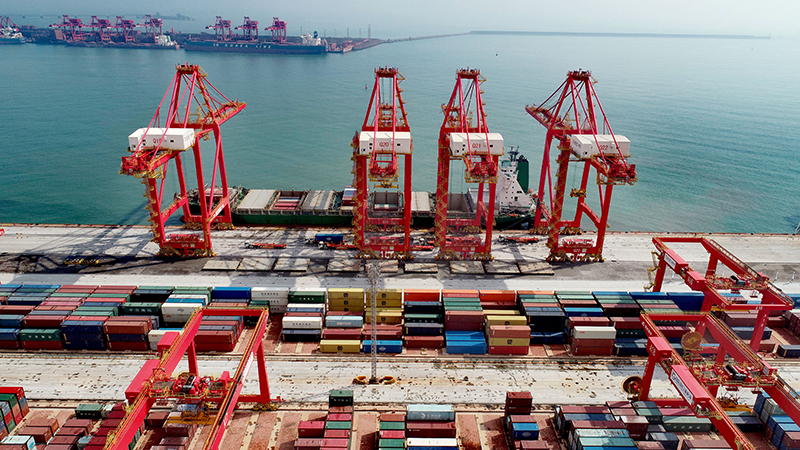 Highly Chlorinated Polyethylene Anti-corrosion Coating
-
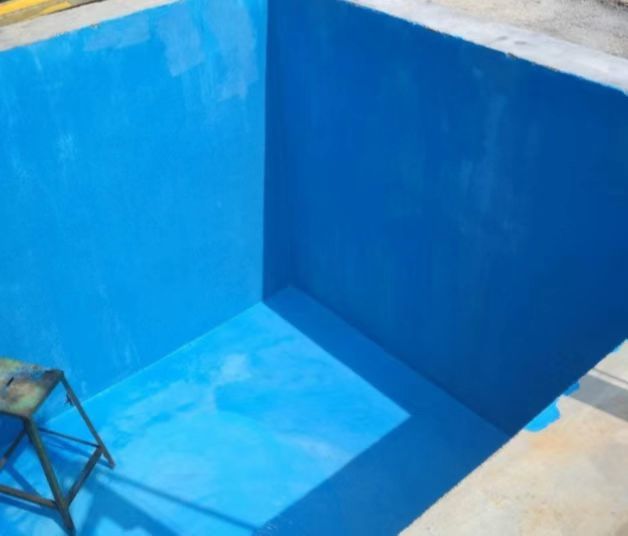 Water-resistant Coatings
Oil-based exterior wall paint
Oil-Based Exterior Wall Paint Series I. Product Introduction: Oil-based exterior wall paint is a commonly used exterior wall coating, with oil-based film-forming substances as its main components. It boasts excellent weather resistance, water resistance, and stain resistance. Compared to water-based exterior wall paints, oil-based exterior wall paints perform better in terms of film formation, hardness, and gloss. II. Product Features: 1. Strong Weather Resistance: Oil-based exterior wall paint has good weather resistance, capable of resisting erosion from natural factors such as UV rays, wind, rain, and pollution, maintaining the coating's aesthetics and performance long-term. 2. Good Water Resistance: Oil-based exterior wall paint has excellent waterproof performance, effectively preventing moisture penetration and wall dampness, protecting the wall from damage. 3. Strong Stain Resistance: The surface of oil-based exterior wall paint is not easily soiled, and even if contaminated, it is easy to clean, maintaining the wall's cleanliness and aesthetics. 4. Good Film-Forming Performance: Oil-based exterior wall paint exhibits excellent film-forming properties, creating a hard, smooth coating with good gloss and abrasion resistance. III. Product Application Scope: Oil-based exterior wall paint is widely used on various building exteriors, such as residences, commercial buildings, and industrial plants. Its excellent weather and water resistance make it particularly suitable for areas with changeable weather and heavy pollution. Additionally, oil-based exterior wall paint is used for structures that require long-term exposure to harsh environments, such as bridges, transportation facilities, oil tanks, and pipelines. IV. Construction Process: Apply putty; Spray or brush apply oil-based special primer; 3. Spray or brush apply oil-based exterior topcoat twice; The entire project must strictly adhere to the construction process; Construction technical quality requirements: (1). Putty: Level the base surface with special putty. Generally, walls require 2-3 applications of putty to achieve flatness. After the putty dries completely, sand it smooth. (2). Primer: When spraying or brushing the primer, use a dedicated brush or roller, applying until the putty layer is completely sealed. (3). Topcoat: Spray or brush apply the topcoat similarly to the primer. After the first coat is surface dry, the second coat can be sprayed or brushed. The first coat should uniformly cover the wall, and the second coat should focus on less uniform areas to achieve an overall even, smooth, bubble-free, peel-free effect, with a thickness that completely covers the base. V. Precautions: 1. Main paint and thinner should be sealed and stored in a cool place, protected from fire, leakage, sun exposure, and high temperatures, and kept away from ignition sources. 2. After opening the can, the product should be thoroughly stirred. Residues at the bottom of the can should be mixed into the tinting tank to prevent pigment settling and color differences. 3. The mixture of main paint and hardener must be used within 4 hours to avoid affecting the results. 4. Do not mix with paints of other brands for application, as this may lead to undesirable consequences or losses. 5. During construction, please take appropriate labor protection measures. If paint contacts skin, it can be washed with laundry detergent and water. If discomfort occurs, please seek medical attention. 6. Disposal of construction waste materials must comply with environmental protection requirements. Do not discard casually.
- Product Description
-
Oil-based Exterior Wall Paint Series
I. Product Introduction:
Oil-based exterior wall paint is a commonly used exterior wall coating, with oil-based film-forming substances as its main component. It has excellent weather resistance, water resistance, and stain resistance. Compared to water-based exterior wall paints, oil-based exterior wall paints perform better in terms of film-forming properties, hardness, and gloss.
II. Product Features:
1 Strong Weather Resistance: Oil-based exterior wall paint has good weather resistance, capable of resisting erosion from natural factors such as UV rays, wind and rain, and pollution, maintaining the beauty and performance of the coating for a long time.
2 Good Water Resistance: Oil-based exterior wall paint has excellent waterproof performance, effectively preventing moisture penetration and wall dampness, protecting the wall from damage.
3 Strong Stain Resistance: The surface of oil-based exterior wall paint is not easily stained, and even if contaminated, it is easy to clean, maintaining the cleanliness and aesthetics of the wall.
4 Good Film-Forming Properties: Oil-based exterior wall paint has excellent film-forming properties, creating a hard, smooth coating film with good gloss and abrasion resistance.
III. Product Application Scope:
Oil-based exterior wall paint is widely used on various building exteriors, such as residential buildings, commercial buildings, and industrial plants. Its excellent weather resistance and water resistance make it particularly suitable for areas with changeable weather and heavy pollution. In addition, oil-based exterior wall paint is also used for structures like bridges, transportation facilities, oil tanks, and pipelines that require long-term exposure to harsh environments.
IV. Construction Process :
- Apply putty;
- Spray or brush apply oil-based special primer;
3. Spray or brush apply oil-based exterior topcoat twice; The entire project must strictly follow the process; Construction technical quality requirements
( 1). Putty: Use special putty to level the substrate. Generally, walls require 2-3 applications of putty to achieve flatness. After the putty is completely dry, sand it smooth with sandpaper.
( 2). Primer: When spraying or brushing primer, use dedicated brushes and rollers, applying until the putty layer is completely sealed.
( 3). Topcoat: When spraying or brushing the topcoat, similar to the primer, the second coat can be sprayed or brushed once the first coat is surface dry. The first coat should cover the wall evenly, and the second coat should focus on areas that are not uniform, to achieve an overall effect that is even, smooth, bubble-free, peel-resistant, and has a thickness that completely covers the substrate.
V. Precautions :
1 Main paint and thinner should be sealed and stored in a cool place, fireproof, leak-proof, sun-proof, high-temperature resistant, and kept away from fire sources.
2 After opening the product can, it should be fully stirred evenly. Residue at the bottom of the can should be mixed into the toning tank to avoid color difference due to pigment settling.
3 The main paint and hardener mixture must be used within 4 hours, to avoid affecting the effect.
4 Do not mix with paints of other brands for construction, otherwise adverse consequences or losses may occur.
5 During construction, please take relevant labor protection measures. If skin comes into contact with paint, it can be washed with laundry detergent and water. If you feel unwell, please seek medical help.
6 For the disposal of construction waste materials, environmental protection requirements must be followed. Please do not discard them randomly.
Previous Page:
Next Page:
Related Products
Product Message
If you are interested in our products, please leave your email, and we will contact you as soon as possible, thank you!
CONTACT US
Address: Longan Industrial Zone, Duruan Town, Pengjiang District, Jiangmen City, Guangdong Province


FEEDBACK
Fill in your phone number and email information, and we will contact you in time to solve your problem as soon as possible.






Inquire Now