Welcome to Jiangmen Tufeng Chemical Co., Ltd.
Oil based industrial paint
-
DB-1A Acrylic Metal Baking Paint Series
-
DB-2B Polyurethane Two-Component Paint Series
-
DB-3C Acrylic Plastic Paint Series
-
DB-4D Alkyd Antirust Paint Series
-
DB-7G Epoxy Anti-rust And Anti-corrosion Primer
-
DB-7G Epoxy Anti-Rust And Anti-Corrosion Paint Series
-
DB-7G High-temperature Anticorrosive Coating Is resistant To 300 Degrees
-
DB-8H Fluorocarbon Paint Series
-
DB-9K Rubber Paint Series
-
DB-11M High Temperature Paint Series
-
DB-12N Floor Paint Series
-
DB-16T Thermal Insulation Coating Series
-
DB-17 Polyurea Waterproof Coating Series
-
DB-18V Oil-Based Exterior Wall Paint Series
-
Polyamide Side Lacquer
-
Epoxy Cloud Iron Intermediate Paint
-
Epoxy Rich In Zinc Primer
-
Chlorinated Rubber Anti-corrosion Coating Material
-
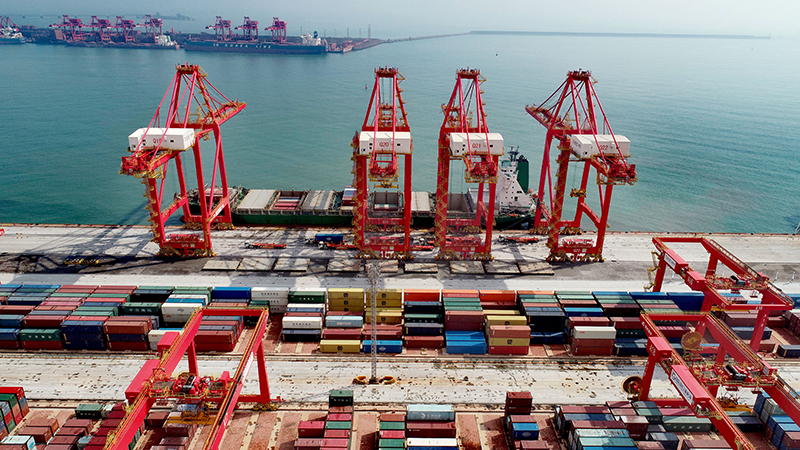 Highly Chlorinated Polyethylene Anti-corrosion Coating
-
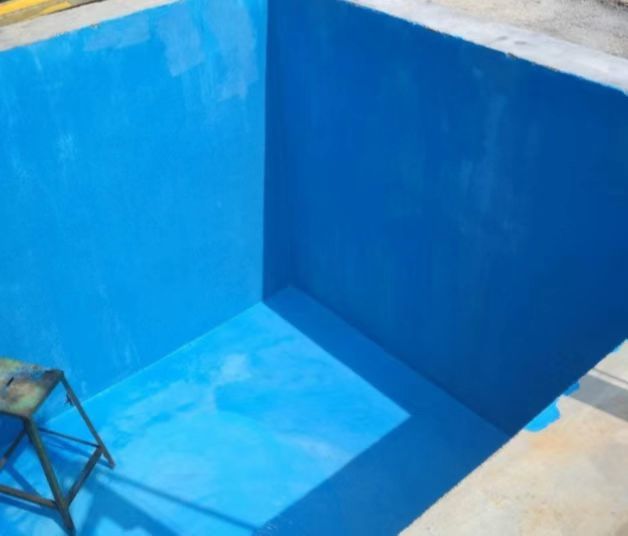 Water-resistant Coatings
Road reflective marking paint
Road Reflective Marking Paint I. Product Introduction: Road reflective marking paint is a special type of coating mainly used for painting road markings, traffic signs, and vehicle license plates and other traffic facilities. Its most significant feature is its high reflectivity and bright colors, providing good visibility both during the day and at night. A single coat achieves a reflective effect. II. Main Components and Functions: The main components of road reflective marking paint include chlorinated rubber resin, pigments, reflective glass microspheres, and auxiliaries. Chlorinated rubber resin is the matrix of the coating, providing the main properties of the coating, such as adhesion, abrasion resistance, and weather resistance. Pigments provide the coating with color and hiding power, making it easier to identify and observe. Reflective glass microspheres are the key component of road reflective marking paint; their special optical properties allow the coating to achieve retroreflection at night or in low-light conditions, significantly improving the visibility of objects. Auxiliaries are used to adjust the properties of the paint, such as leveling, drying speed, and anti-aging properties. III. Product Features: High reflectivity: Road reflective marking paint has good light reflection function. After being illuminated by a spotlight, the reflective area can reach 80~90%. Bright colors: Road reflective marking paint is mainly white and yellow, the two most common colors in traffic signs and markings. Its colors are bright, not easy to fade or age, and always maintain the brightness of the paint. Excellent durability: Road reflective marking paint can withstand long-term ultraviolet radiation, rain, and traffic impact, maintaining its reflective performance and extending its service life. Anti-slip and wear resistance: Road reflective marking paint has certain anti-slip and wear resistance, able to withstand frequent walking by vehicles and pedestrians, ensuring driving safety. Easy operation: Road reflective marking paint has a short drying time and is easy to apply. It can be sprayed, brushed, or dipped, reducing construction time and traffic disruption. Environmental protection: Many road reflective marking paint products focus on environmental protection, reducing environmental pollution. IV. Technical Indicators: Item Technical Indicators Measured Product Color White, Yellow Various Colors Coating Color and Appearance Meets color requirements, surface tone is uniform and consistent, no particles, pinholes, bubbles, wrinkles Qualified Flash Point ℃ 24 24 Specific Gravity kg/L 1.5 1.5 Solid Volume Content % 55 55 Recoat Interval Minimum 30min, Maximum Unlimited Qualified Topcoat Gloss % 50 50 Raw Material Viscosity (No. 2 Cup) s ≥130 130 Fineness μm ≤15 13 Hiding Power g/㎡ ≤65 58 Drying Time Surface Dry min ≤15 Qualified Through Dry h ≤24 Qualified Theoretical Coating Rate: 2㎡/kg (Dry film thickness 180μm) 13㎡/kg (Dry film thickness 180μm, 15cm wide marking length) Ratio Paint: Thinner = 1:0.3-0.5 (Weight Ratio) Packaging Specifications Paint 20KG/barrel, Thinner 18 KG/barrel Full Cure 5 days V. Product Applications: Road markings and lane divisions: Road reflective marking paint can be used for markings and lane divisions on roads, highways, etc. Zebra crossings and traffic island markings: Applying reflective marking paint to zebra crossings and traffic islands significantly improves the visibility of these areas. Road signs and directional signs: Shops, parking lots, and directional signs can also use road reflective marking paint to increase visibility. Bridges and towers: Using reflective marking paint on the surface of bridges, towers, and other facilities can improve their nighttime visibility under strong light. Vehicle decoration and identification: Some trucks and buses spray reflective marking paint on their bodies to create a noticeable visual effect at night under the illumination of other vehicles' headlights, achieving advertising or decorative purposes. Reflective marking paint can also be used for vehicle identification and warning markings, improving vehicle recognition. Construction Process and Steps: Pre-construction preparation: Material preparation: Select appropriate standard reflective marking paint. Consider its performance, application, and use environment to ensure the paint meets project requirements. Also, prepare construction tools such as mixers, rollers, and brushes. Environmental inspection: Ensure the construction area is dry and clean, free of oil stains, dust, and other impurities. If necessary, cleaning and drying should be carried out. Safety protection: Construction personnel should wear protective clothing, gloves, and masks to prevent the reflective marking paint from harming the skin and respiratory tract. Warning signs should be set up at the construction site to prevent unauthorized personnel from entering. Reflective marking paint construction process: Base layer treatment: Polish, derust, and fill cracks on the road surface to ensure the base layer is flat, smooth, and defect-free. Primer application: Apply a uniform layer of primer to the base layer. The primer should be dry before proceeding to the next step. Reflective marking paint mixing: Pour the reflective marking paint into the mixer and mix thoroughly to ensure the glass microspheres are evenly dispersed in the paint. Reflective marking paint application: Use a roller or brush to evenly apply the reflective marking paint to the base layer. Pay attention to the consistency of the brushing direction and force to avoid brush marks, sagging, etc. Multiple coats: Multiple coats can be applied as needed to improve the reflective effect and coating thickness. The interval between each coat should be within the specified range to ensure the coating is fully dry. Maintenance and protection: After construction, the coating should be maintained and protected to avoid mechanical damage, chemical corrosion, and other adverse factors. VII. Construction Precautions: Construction temperature: Reflective marking paint construction should be carried out at a suitable temperature. Avoid construction at high or low temperatures to avoid affecting coating quality and reflective effect. Construction environment: Good ventilation should be maintained during construction to avoid dust, moisture, and other impurities contaminating the coating. Monitor weather changes closely and avoid construction in rainy, foggy, or other bad weather conditions. Construction sequence: Follow the principle of "difficult first, easy later; top down" for construction. First, handle complex areas and difficult-to-construct parts, then handle simple areas and easy-to-construct parts. Coating thickness: Control the coating thickness within the specified range. Too thick or too thin may affect the reflective effect and service life. Safety protection: Construction personnel should strictly follow safety operating procedures and wear protective equipment to ensure safe and accident-free construction. VIII. Construction Quality Control: Material inspection: Inspect the incoming reflective marking paint to ensure it meets relevant standards and design requirements. Process monitoring: Monitor the construction process comprehensively to ensure that each construction step meets the specified requirements. Address and rectify any problems promptly. Acceptance criteria: Develop detailed acceptance criteria and methods to comprehensively inspect and test the completed road to ensure it achieves the expected reflective effect and performance. IX. Post-Construction Maintenance: Regular inspection: Regularly inspect the completed road for reflective effect and performance, addressing any problems promptly. Maintenance: Regularly clean, maintain, and protect the coating to ensure it maintains good reflective effect and performance for a long time. Repair and renovation: Repair or renovate damaged or aged coatings promptly to ensure they are always in good working condition. X. Notes: Mix the paint and hardener according to the required ratio before use. Mix only the amount needed and use within 4 hours. Store the product in a cool, ventilated place, away from direct sunlight, fire, and heat sources. Keep the construction process dry and clean. Avoid contact with water, acids, alcohols, alkalis, etc. After mixing the paint, the hardener packaging bucket must be tightly sealed to prevent solidification. Workers should wear safety masks and gloves to avoid contact with skin or eyes. If accidental contact occurs, rinse with plenty of water.
- Product Description
-
Way Road Anti Light Mark Line Paint
I. Product Introduction:
Roadway reflective marking paint is a special type of coating mainly used for painting traffic facilities such as road markings, traffic signs, and vehicle license plates. Its most significant feature is its high reflectivity and bright colors, providing good visibility both during the day and at night. A single coat achieves a reflective effect.
II. Main Components and Functions:
The main components of road reflective marking paint include chlorinated rubber resin, pigments, reflective glass microspheres, and auxiliaries. Chlorinated rubber resin is the matrix of the coating, providing the main properties of the coating, such as adhesion, abrasion resistance, and weather resistance. Pigments provide the coating with color and hiding power, making it easier to identify and observe. Reflective glass microspheres are the key component of road reflective marking paint; their special optical properties allow the coating to achieve retroreflection at night or in low-light conditions, significantly improving the visibility of objects. Auxiliaries are used to adjust the properties of the paint, such as leveling, drying speed, and anti-aging properties.
III. Product Features :
High Reflectivity: Road reflective marking paint has a good light reflection function. After being illuminated by concentrated light, the reflective area can reach 80 ~ 90%。
Bright Colors: Road reflective marking paint mainly uses white and yellow, the two most common colors in traffic signs and markings. Its colors are bright, not easy to fade or age, and always maintain the brightness of the paint.
Excellent Durability: Road reflective marking paint can withstand long-term ultraviolet radiation, rain, and traffic impact, maintaining its reflective performance and extending its service life.
Anti-slip and Wear Resistance: Road reflective marking paint has a certain degree of anti-slip and wear resistance, capable of withstanding frequent walking by vehicles and pedestrians, ensuring driving safety.
Easy Operation: Road reflective marking paint has a short drying time and is easy to apply. It can be sprayed, brushed, or dipped, reducing construction time and traffic disruption.
Environmental Protection: Many road reflective marking paint products focus on environmental protection, reducing environmental pollution.
IV. Technical Indicators:
Item
Technical Indicators
Measured
Product Color
White, Yellow
Various Colors
Paint Film Color and Appearance
Meets color requirements, surface tone is uniform and consistent, no particles, pinholes, bubbles, or wrinkles
Qualified
Flash Point ℃
24
24
Specific Gravity kg/L
1.5
1.5
Solid Volume Content %
55
55
Recoat Interval
Minimum 30 min , Maximum Unlimited
Qualified
Topcoat Gloss %
50
50
Crude Oil Viscosity ( 2# Cup) s
≥ 130
130
Fineness μ m
≤ 15
13
Hiding Power g/㎡
≤ 65
58
Drying Time
Surface Dry min
≤ 15
Qualified
Through Dry h
≤ 24
Qualified
Theoretical Coating Rate:
2 ㎡ /kg( Dry Film Thickness 180 μ m )
13 ㎡ /kg( Dry Film Thickness 180 μ m , wide 15cm marking length)
Ratio
Paint: Thinner =1: 0.3-0.5 (Weight Ratio)
Packaging Specifications
Paint 20 KG/barrel, Thinner 18 KG/barrel
Fully Cured
5 Days
V. Product Applications:
Road Markings and Lane Division: Road reflective marking paint can be used for road markings and lane divisions on roads and highways.
Zebra crossings and traffic island markings: Applying reflective road marking paint to areas such as zebra crossings and traffic islands on roads can significantly improve their visibility.
Road signs and guideposts: Road reflective marking paint can also be used in places like shops, parking lots, and guideposts to increase visibility.
Facilities such as bridges and high towers: Using reflective marking paint on the surfaces of facilities such as bridges and high towers can enhance their night-time visibility under strong light.
Vehicle decoration and marking: Some vehicles, such as trucks and buses, are sprayed with reflective marking paint on their bodies, which can create a distinct visual effect at night under the headlights of other vehicles, serving promotional or decorative purposes. Additionally, reflective marking paint can be used for vehicle identification and warning signs, improving vehicle recognition.
- Construction process and steps:
Preparation before construction:
Material preparation: Select reflective marking paint of appropriate standards. Consider its performance, purpose, and application environment to ensure the coating meets project requirements. At the same time, prepare construction tools such as mixers, rollers, and brushes.
Environmental inspection: Ensure the construction area is dry, clean, and free of oil stains, dust, and other impurities. If necessary, cleaning and drying can be performed.
Safety protection: Construction personnel should wear protective clothing, gloves, masks, etc., to prevent reflective marking paint from causing harm to skin and respiratory tracts. At the same time, warning signs should be set up at the construction site to prohibit non-construction personnel from entering.
Reflective marking paint construction process:
Substrate treatment: Treat the road surface by grinding, rust removal, crack filling, etc., to ensure the substrate is flat, smooth, and free of defects.
Primer application: Apply a layer of primer evenly on the substrate. The primer should be dry before proceeding to the next step of construction.
Reflective marking paint mixing: Pour the reflective marking paint into a mixer and stir thoroughly to ensure glass beads are evenly dispersed in the paint liquid.
Reflective marking paint application: Use a roller or brush to apply the reflective marking paint evenly on the substrate, paying attention to consistency in application direction and force to avoid brush marks, sagging, etc.
Multiple coats application: If necessary, multiple coats can be applied to improve the reflective effect and coating thickness. The interval between each coat should be controlled within the specified range to ensure the coating is thoroughly dry.
Curing and protection: After construction, the coating should be cured and protected to avoid adverse factors such as mechanical damage and chemical corrosion.
VII. Construction Precautions:
Construction temperature: Reflective marking paint should be applied at an appropriate temperature, avoiding construction in high or low-temperature conditions, so as not to affect the coating quality and reflective effect.
Construction environment: Good ventilation should be maintained during the construction process to prevent dust, moisture, and other impurities from contaminating the coating. At the same time, close attention should be paid to weather changes, avoiding construction in adverse weather conditions such as rain or fog.
Construction sequence: Construction should follow the principle of "difficult first, then easy" and "top-down," first dealing with complex areas and hard-to-reach parts, then simple areas and easy-to-construct parts.
Coating thickness: Control the coating thickness within the specified range; both excessive thickness and insufficient thickness may affect the reflective effect and service life.
Safety protection: Construction personnel should strictly adhere to safety operating procedures and wear protective equipment to ensure a safe and accident-free construction process.
VIII. Construction Quality Control:
Material inspection: Conduct quality inspection on incoming reflective marking paint to ensure it complies with relevant standards and design requirements.
Process monitoring: Conduct comprehensive monitoring of the construction process to ensure that each construction step meets the specified requirements. Address and rectify problems promptly when found.
Acceptance standards: Develop detailed acceptance standards and methods for comprehensive inspection and testing of the completed road to ensure it achieves the expected reflective effect and performance.
IX. Post-construction maintenance:
Regular inspection: Regularly inspect the reflective effect and performance of the completed road, and address problems promptly when found.
Maintenance: Regularly clean, maintain, and service the coating to ensure it maintains good reflective effect and performance in the long term.
Repair and renovation: Promptly repair or renovate damaged or aged coatings to ensure they always remain in good working condition.
X. 注 意 事 项:
Before use, mix the paint with the hardener according to the required ratio, prepare as much as needed, and use after stirring evenly. 4 Use within hours;
The product should be stored in a cool, well-ventilated place, away from direct sunlight, isolated from ignition sources, and away from heat sources.
Keep the construction process dry and clean; strictly avoid contact with water, acids, alcohols, alkalis, etc.; the curing agent packaging drum must be tightly sealed after mixing the paint to prevent gelling.
Operators should wear safety masks and gloves to avoid contact with skin or eyes. In case of accidental contact, wash immediately with clean water.
Next Page:
Related Products
Product Message
If you are interested in our products, please leave your email, and we will contact you as soon as possible, thank you!
CONTACT US
Address: Longan Industrial Zone, Duruan Town, Pengjiang District, Jiangmen City, Guangdong Province


FEEDBACK
Fill in your phone number and email information, and we will contact you in time to solve your problem as soon as possible.






Inquire Now