Welcome to Jiangmen Tufeng Chemical Co., Ltd.
Oil based industrial paint
-
DB-1A Acrylic Metal Baking Paint Series
-
DB-2B Polyurethane Two-Component Paint Series
-
DB-3C Acrylic Plastic Paint Series
-
DB-4D Alkyd Antirust Paint Series
-
DB-7G Epoxy Anti-rust And Anti-corrosion Primer
-
DB-7G Epoxy Anti-Rust And Anti-Corrosion Paint Series
-
DB-7G High-temperature Anticorrosive Coating Is resistant To 300 Degrees
-
DB-8H Fluorocarbon Paint Series
-
DB-9K Rubber Paint Series
-
DB-11M High Temperature Paint Series
-
DB-12N Floor Paint Series
-
DB-16T Thermal Insulation Coating Series
-
DB-17 Polyurea Waterproof Coating Series
-
DB-18V Oil-Based Exterior Wall Paint Series
-
Polyamide Side Lacquer
-
Epoxy Cloud Iron Intermediate Paint
-
Epoxy Rich In Zinc Primer
-
Chlorinated Rubber Anti-corrosion Coating Material
-
 Highly Chlorinated Polyethylene Anti-corrosion Coating
-
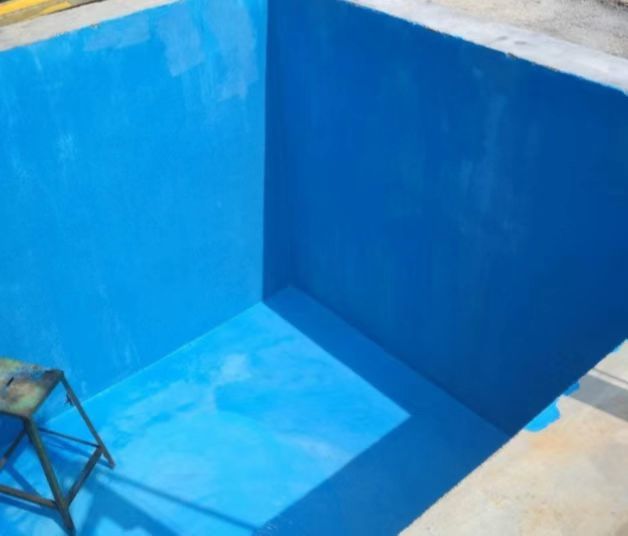 Water-resistant Coatings
Special paint for gas pipelines
Natural Gas Pipeline Special Coating I. Product Introduction: Natural gas pipeline special coating is a type of coating specifically used for the anti-corrosion coating of natural gas pipelines. It is designed to provide long-lasting and efficient anti-corrosion protection to ensure the safe operation and extended service life of natural gas pipelines. In the natural gas pipeline industry, the application of special coatings plays a pivotal role, not only resisting external environmental erosion of pipelines but also improving the overall performance of pipelines. II. Product Features: The main components of natural gas pipeline special coatings include resins, pigments, additives, and solvents. Among them, the resin, as the main component of the paint film, has good adhesion and corrosion resistance; pigments give the paint film specific color and hiding power; additves improve the coating's construction performance and storage stability; solvents adjust the viscosity of the coating, making construction more convenient. The characteristics of natural gas pipeline special coatings are mainly reflected in the following aspects: excellent adhesion, strong corrosion resistance, good weather resistance, and water resistance. These characteristics enable natural gas pipeline special coatings to adapt to complex and changeable usage environments, effectively protecting natural gas pipelines from external factors. III. Construction Methods and Precautions: During the construction of anti-corrosion coatings for natural gas pipelines, certain standards and techniques must be followed. First, ensure that the pipeline surface is clean and dry, free of oil stains, rust, and other impurities; second, according to the coating instructions, select the appropriate coating method and coating thickness; finally, pay attention to safety protection during construction to avoid fire and explosion hazards. At the same time, construction personnel must strictly abide by the coating construction process, control the coating interval time, and avoid defects between coating layers. After coating, necessary inspections and acceptance must be carried out to ensure that the coating quality meets the requirements. IV. Product Protection Performance and Application Range: Natural gas pipeline special coatings have demonstrated excellent protection performance in practical applications. Their weather resistance and corrosion resistance are superior to ordinary coatings, effectively resisting erosion from ultraviolet rays, rainwater, and chemical substances. Therefore, natural gas pipeline special coatings are widely used in urban natural gas pipelines, industrial natural gas pipelines, and other scenarios, providing strong protection for the safe operation of natural gas pipelines. In addition, natural gas pipeline special coatings are also suitable for pipelines of different materials, such as steel pipes, cast iron pipes, and plastic pipes, and have strong applicability and versatility.
I. Introduction: This product is formulated from resins, pigments, solvents, and additives. It features excellent scratch and abrasion resistance, fast drying with good adhesion, color and gloss retention, anti-yellowing properties, high gloss, diverse and bright colors, simple application, and wide applicability.II. Advantages: Tufeng brand toy paint features bright colors. The paint film dries quickly, with fast surface and through drying (1 hour). The paint film has high hardness, is flat, bright, and weather-resistant, shortening construction cycles, improving production efficiency, and providing good decorative effect. It's easy to apply, dries rapidly, has low requirements for the coating environment, possesses good hardness and brightness, is less prone to film defects, easy to repair, and does not scorch or bite the substrate.III. Application Scope: Tufeng brand toy paint is suitable for PS, HIPS, ABS substrates, modified plastics, sports equipment, toys, fairy lights, household showers, etc.IV. Technical Parameters:No. Item Parameter1 Baking Conditions 50~70° (bake for 30 minutes) specific to customer requirements2 Spraying Viscosity 9~13s (25℃, Iwata No. 2 cup)3 Spraying Pressure 3~4.5kg/㎡4 Spraying Distance 10~20cm5 Film Thickness 15~25um (wet film gauge)6 Hardness HB~H (ASTM D3363) (Mitsubishi pencil)7 Gloss (BS 3900 D5 60) >80%8 Specific Gravity 0.93-1.20 depending on color (ASTM D1475)9 Solid Content 30-50% depending on color10 Adhesion 0~1 grade (100% cross-cut method)11 Coating Viscosity 85±5KU/25°C (depending on different colors) (ASTM D4287)12 Surface Dry Time ≤30min/30℃13 Through Dry Time ≤24H/30℃14 Shelf Life One year/25℃ in a cool, dry place15 Dilution Ratio Paint 1: Thinner 1.5 by weight (specific to customer spraying requirements)Material Compliance: Conforms to heavy metal safety standards such as ASTM F963-08, EN71 Part 3 : 1994, Japan Part 3 : 2002 section 1.5, 16 CFR 1303, CHPA CH-3 Schedule I Part I Item 9, GB 6675-2007, etc., for organic and inorganic pigments.Application Conditions: Surface Treatment: Degreasing, cleaning, drying.
Epoxy asphalt anti-corrosion coating
Epoxy Asphalt Anti-corrosion Coating I. Product Introduction Epoxy asphalt anti-corrosion coating is a composite coating based on epoxy resin and asphalt. Its basic principle is to form a strong and dense protective layer through the synergistic effect of epoxy resin and asphalt in the coating, to resist environmental corrosion factors. This coating is mainly composed of epoxy resin, asphalt, pigments and fillers, additives, and solvents, and has excellent anti-corrosion performance, adhesion, and wear resistance. Product Features: Excellent Anti-corrosion Performance: It has good resistance to various corrosive media such as acids, alkalis, and salts, effectively preventing corrosion of metal surfaces. Good Adhesion: Forms a strong bond with metal surfaces, not easy to peel off. Excellent Wear Resistance: The coating surface is smooth and hard, with good wear resistance. Easy Construction: Can be applied by brushing, spraying, rolling, and other methods, with fast drying speed and short curing time. III. Scope of Application Epoxy asphalt anti-corrosion coating is widely used in petroleum, chemical, bridge, dock, power, and water conservancy fields for anti-corrosion protection of metal pipelines, storage tanks, bridge structures, steel structures, etc. IV. Construction Process and Precautions: Construction Methods: Substrate Preparation: Remove oil stains, moisture, rust, and old coatings from the substrate surface. Coating Preparation: Mix all components evenly according to the formula. Coating Application: Select appropriate coating tools and methods, and apply the coating evenly to the substrate surface. Curing Treatment: Control the temperature and humidity of the application environment to allow the coating to cure within the specified time. Precautions: Control Application Environment: Avoid construction in high humidity, high temperature, or low temperature environments to prevent affecting the curing speed and performance of the coating. Control Coating Thickness: Avoid issues such as cracking and peeling due to excessively thick coatings, and ensure the coating thickness meets anti-corrosion requirements. Pay Attention to Safety Protection: During construction, ensure good ventilation to avoid inhaling paint volatiles; wear protective glasses, gloves, and other protective equipment to prevent direct skin contact with the paint. IV. Storage and Safety Protection: The product should be stored in a cool, well-ventilated place, away from direct sunlight, and isolated from ignition sources and heat. Keep dry and clean during construction, strictly prohibit contact with water, acids, alcohols, alkalis, etc.; after mixing the paint, the curing agent packaging drum must be tightly sealed to prevent gelling. Operators should wear safety masks and gloves to avoid skin or eye contact; if accidental contact occurs, rinse with clean water.
Special coating paint for galvanized pipes
Galvanized Pipe Coating I. Product Introduction: Galvanized pipe coating is a special coating designed specifically for the surface coating of galvanized pipes. It is mainly used to protect galvanized pipes from environmental corrosion and extend their service life. With its excellent protective performance, galvanized pipe coating can effectively prevent water, oxygen, and other corrosive media from damaging the surface of galvanized pipes, thereby maintaining the integrity and functionality of the pipelines. II. Product Features: Excellent weather resistance: Galvanized pipe coating has excellent weather resistance and can withstand long-term erosion from sunlight, wind, and rain, and is not easy to fade, crack, or powder. This feature allows galvanized pipes to maintain long-lasting color brightness and protection even in outdoor environments. Abrasion resistance: This coating has good abrasion resistance and can effectively resist the physical wear and tear that the pipe surface may suffer during use, maintaining the integrity and smoothness of the coating. Excellent adhesion: Galvanized pipe coating has strong adhesion to the surface of galvanized pipes, ensuring that the coating is tightly bonded to the substrate and is not easy to peel or blister. This excellent adhesion further improves the protective effect of the coating and extends the service life of the pipe. Good corrosion resistance: It can effectively resist the corrosion of water, oxygen, and other corrosive media. Improved aesthetics: Provides a wide range of color options for galvanized pipes, enhancing the overall visual effect. III. Advantages and Applicable Scenarios: Solvent-based galvanized pipe coating Solvent-based galvanized pipe coating has the advantages of fast drying speed, high coating hardness, and good gloss, and is suitable for occasions with high requirements for coating appearance. However, when constructing solvent-based coatings, attention should be paid to ventilation and exhaust to avoid harming human health. Water-based galvanized pipe coating Water-based galvanized pipe coating uses water as a diluent and has the advantages of being environmentally friendly, non-toxic, and odorless, making it friendly to construction personnel and the environment. Although its drying speed is relatively slow, the coating has good flexibility and weather resistance, making it suitable for occasions with high environmental protection requirements. Galvanized pipe coating plays an important role in improving the durability and aesthetics of pipes. By coating with special coatings, galvanized pipes can be effectively protected from environmental corrosion, reducing the frequency of pipe maintenance and replacement, thereby reducing maintenance costs. At the same time, special coatings can also give pipes a beautiful appearance, enhancing the overall visual effect. Storage and Safety Protection: Store in a cool, dry place, avoiding direct sunlight and high temperatures; Keep the packaging container sealed to prevent moisture and impurities from entering; Products should be used as soon as possible after opening to avoid prolonged exposure to air; Keep away from fire and no smoking. Safety measures and environmental protection requirements: Wear protective clothing, gloves, and goggles during construction to avoid direct contact with skin and eyes; Keep the construction environment well-ventilated to avoid prolonged inhalation of coating volatiles; After construction, properly dispose of waste coatings and packaging containers in accordance with local environmental protection requirements; In case of coating leakage or pollution, immediate measures should be taken for cleaning and disposal.
I. Introduction DB-16T With the increasing depletion of Earth's energy, environmental protection and energy conservation have become the theme of this era. Under the tide of the times, scientific research and technological development regard energy saving, consumption reduction, and economic efficiency improvement as one of the main breakthrough directions, and even fire retardant coating technology is no exception. In recent years, the developed building insulation coatings—reflective insulation coatings—have achieved significant breakthroughs in energy conservation. To understand reflective insulation coatings, we need to start with their formulation. The formulation of reflective insulation coatings primarily consists of binders, heat-reflective pigments, fillers, and additives, and is a new type of fire-retardant and heat-insulating fire protection material that achieves insulation by efficiently reflecting sunlight. Among them, thin-layer insulating reflective coatings are representative of this type of coating. They are mainly used in various occasions requiring thermal insulation in the field of construction engineering, meaning high-reflectivity insulating coatings are applied to the surface of external protective structures. This can reduce the absorption of solar radiant heat by buildings, prevent the temperature rise of building surfaces caused by absorbing solar radiation, and at the same time reduce the transfer of heat indoors, thereby achieving building protection and fire resistance. II. According to the insulation mechanism of reflective insulation coatings, they can be mainly divided into three types Barrier-type Insulation Coatings: Achieve insulation by impeding heat transfer. When preparing the coating, low thermal conductivity materials are mainly selected, and low thermal conductivity air is introduced as a raw material after the coating forms a film. Common heat-blocking fillers for this type of reflective insulation coating include hollow glass microspheres, hollow ceramic powder, hollow fibers, sepiolite, vermiculite, perlite, etc. Heat-Reflective Insulation Coatings: Mainly achieve insulation by reflecting the spectral energy of sunlight within the 400~1800nm range. Its reflective materials use nanomaterials. Radiant Barrier Coatings: Mainly achieve insulation by emitting absorbed sunlight and heat into the air at specific wavelengths. Its formulation materials are various metal oxides, such as iron oxide, manganese dioxide, cobalt oxide, copper oxide, and other reflective spinel dopants. The above three are just the most basic classifications. In many cases, we can also compound reflective insulation coatings with the aforementioned functions to form multi-functional insulation coatings, such as those with both barrier and reflective properties. This is also the future development trend of reflective insulation coatings. What's more valuable is that reflective insulation coatings have both decorative and insulating functions, belonging to functional coatings. Therefore, this type of coating has been widely applied in the field of construction engineering, mainly for reflective insulation of roofs and walls, and is also widely used in granaries. Moreover, the application areas and usage scenarios of reflective insulation coatings are continuously expanding. With the infinitely increasing demand for building energy efficiency in the future, the attention they receive will inevitably show geometric growth! Due to their superior performance, reflective insulation coatings caused a strong market reaction upon their introduction. Even the state correspondingly issued standards for reflective insulation coatings (JC/T1040-2007) requiring: solar reflectivity no less than 85%, and hemispherical emissivity no less than 83%. This is to regulate the reflective insulation coating market. III. Construction Ratio Paint: Thinner (1:0.3-0.5) IV. Storage 1. Paint and thinner should be sealed and stored in a cool place, fire-proof, leak-proof, sun-proof, high-temperature resistant, and away from fire sources. 2. The storage period of the coating is one year or more. 3. After opening the can, the coating should be thoroughly stirred evenly to prevent pigment sedimentation causing color difference. 4. If the workpiece surface has attachments such as dust, particles, or oil stains, it will damage the appearance, so it should be wiped clean before spraying. 5. Due to different plastic substrates, sufficient testing should be done before spraying to avoid affecting paint adhesion. 6. During construction, please take relevant labor protection measures. If skin comes into contact with the coating, it can be washed with laundry detergent and water. If you feel unwell, please seek medical help.
Fire-retardant coating for steel structures
Steel Structure Fireproof Coating I. Product Introduction Steel structure fireproof coating is a specialized coating designed to enhance the fire resistance limit of steel structures. When applied to the surface of steel structures, it forms a fire-resistant and heat-insulating protective layer, which delays the temperature rise of steel in a fire, thereby improving the fire resistance limit of the steel structure. This coating is mainly divided into thick, thin, and ultra-thin types, with different coating thicknesses and fire resistance limits for each type. Product Features: Excellent Fire Resistance: Steel structure fireproof coating rapidly expands in a fire to form an insulating layer, effectively reducing the temperature of the steel structure's surface, thereby enhancing its fire resistance limit. After rigorous testing, the fire resistance time of the fireproof coating under various fire conditions can meet the standard requirements. Moderate Coating Thickness: Different types of fireproof coatings have varying coating thickness ranges to meet the needs of different applications. During construction, precise control of the coating thickness ensures that the fireproof coating's performance is fully utilized. Easy Application: Steel structure fireproof coating can be applied through various methods such as spraying and brushing, making operation simple and convenient. At the same time, the coating has a shorter drying time, which helps to improve construction efficiency. Scope of Application Bridge Engineering: As a vital component of transportation infrastructure, the safety of bridges is paramount. Steel structure fireproof coating can be applied to critical parts of bridges such as steel beams and steel columns to improve the bridge's fire resistance, ensuring the stability and safety of the bridge structure in the event of a fire. High-rise Buildings: Steel structures are widely used as load-bearing and supporting structures in high-rise buildings. In these buildings, steel structure fireproof coating can be extensively applied to steel columns, steel beams, and other parts of steel structures to enhance the overall fire resistance of the building, ensuring safe evacuation of personnel and smooth firefighting operations. Storage Facilities: In industries such as petroleum and chemical, storage facilities are often constructed from steel. When these facilities store flammable and explosive materials, the consequences of a fire could be disastrous. Therefore, applying fireproof coating to the steel surfaces of these facilities can effectively improve their fire resistance and reduce fire risks. IV. Technical Parameters: Item Technical Specification Test Result Measured Value Test Method (National Standard) Product Color Conforms to Sample Meets Standard White Visual Inspection Film Appearance (Visual) Smooth, uniform, free of impurities Meets Standard Smooth, uniform CB1721-79 Gloss Matte Compliant 28° (60° angle) GB1743-79 Solid Content: % 72 Meets Standard 73 GB/T1725-2007 Fineness μm ≤50 Meets Standard 48 Hardness: h hB Meets Standard hB GB/T6739-2006 Drying Time Surface Dry (min) ≤20 Meets Standard 15 GB/T1728-1989 Hard Dry (h) ≤24 Meets Standard 24 GB/T1728-1989 Flexibility (mm) 1 Meets Standard 0.9 GB/T1731-1993 Adhesion: (level) 1 Meets Standard 1 GB1720-79 Bonding Strength/MPa ≧0.15 1.12 Qualified Water Resistance After 24h test, the coating should show no delamination, blistering, or peeling. Compliant Qualified VI. Storage and Safety Protection: The product should be stored in a cool, well-ventilated place, away from direct sunlight, open flames, and heat sources. Keep the construction area dry and clean, and strictly avoid contact with water, acids, alcohols, alkalis, etc. After mixing the paint, the hardener container must be tightly sealed to prevent gelling. Operators should wear safety masks and gloves to avoid contact with skin or eyes. In case of accidental contact, rinse thoroughly with clean water.
Epoxy Anti-rust and Anti-corrosion Paint Series
DB-7G706 epoxy zinc-rich primer is mainly composed of epoxy resin, zinc powder, rust-proof pigments, fillers, auxiliaries, solvents, etc. Epoxy zinc-rich primer is a type of coating with epoxy resin as the main film-forming substance. It has excellent adhesion and chemical corrosion resistance, good alkali resistance, and a hard coating; it is the most important anticorrosion paint product, mainly used for anticorrosion coating. Epoxy zinc-rich primer is usually used as a primer for anticorrosion paint.
Fluorocarbon paint I. Product introduction: Fluorocarbon paint, also known as fluorocarbon coating or fluoropolymer coating, is a high-performance coating using fluoropolymer as the main film-forming substance. The uniqueness of this coating lies in the introduction of fluorine elements with high electronegativity and strong carbon-fluorine bond energy, giving it a series of excellent properties. First, fluorocarbon paint has excellent weather resistance, heat resistance, and low-temperature resistance. This means that fluorocarbon paint can maintain its performance and appearance stability in both extremely hot and cold environments. Second, the coating also has excellent chemical resistance and can resist the erosion of various chemicals. In addition, fluorocarbon paint also has unique non-stick and low-friction properties, giving it unique advantages in certain specific applications. II. Product features: 1. **Strong weather resistance**: Fluorocarbon paint has excellent weather resistance and can maintain its color and gloss under extreme weather conditions. The carbon-fluorine bonds in its molecular structure have high stability and chemical corrosion resistance, enabling fluorocarbon paint to withstand the erosion of sunlight, rain, acid rain, etc., on the coating. Therefore, it is often used for the exterior walls and roofs of outdoor buildings, maintaining the quality of the paint film for a long time. 2. **Good wear resistance**: Fluorocarbon paint has good wear resistance and can withstand friction and wear in daily environments, making the coating more durable. 3. **Good temperature resistance**: Fluorocarbon paint can maintain the color and gloss of the coating at high temperatures and withstand temperatures above 200°C. At the same time, it can also maintain flexibility and prevent cracking at extremely low temperatures, demonstrating excellent temperature resistance. 4. **Good chemical resistance**: Fluorocarbon paint has excellent chemical resistance and can resist the erosion of acids, alkalis, solvents, and other chemicals. This is mainly due to the stability and high corrosion resistance of the carbon-fluorine bond. 5. **Strong anti-pollution**: Fluorocarbon paint has excellent anti-pollution performance and can effectively resist the erosion of dust, dirt, grease, and other external pollutants, maintaining the beauty and cleanliness of the coating. Construction parameters: Index Parameter Color Mid-yellow, yellow, red, etc. (different colors can be provided according to customer requirements) Specific gravity L/Kg 1:1 Theoretical consumption kg/m2 0.1-0.2 Gloss (60°) ≧85 Adhesion grade 0 Flexibility mm ≤2 Impact strength kg.cm 50 Salt spray resistance h ≧600 (with matching primer) Film thickness um 250-300 (with matching primer) Ratio: A component (paint paste): B component (curing agent) = 10:1 (weight ratio), the ratio of A and B components can be adjusted according to the temperature Shelf life 12 months Drying time Surface drying min ≤30 Full drying h ≤24 II. Product uses: Fluorocarbon paint has a wide range of uses, mainly due to its excellent protection, decoration, durability, and weather resistance. The following are the main uses of fluorocarbon paint: 1. **Building field**: Fluorocarbon paint is often used as a coating for building exteriors because it can maintain the beauty and novelty of the building for a long time. In addition, it can also be used for the cladding of metal curtain walls on building exteriors, providing protection and decoration for buildings. 2. **Machinery industry**: Because fluorocarbon paint has excellent durability and wear resistance, it is often used for the coating of surfaces such as large machinery equipment, providing protection and decoration for machinery equipment. 3. **Chemical industry**: Fluorocarbon paint has excellent chemical resistance and can resist the erosion of various chemicals, so it is also widely used in the chemical industry. 4. **Aerospace industry**: Because fluorocarbon paint has excellent heat resistance and low-temperature resistance, it is also widely used in the aerospace industry, such as the coating of aircraft, rockets, and other aerospace vehicles. 5. **Household goods**: Fluorocarbon paint can also be used for the coating of household goods, such as doors, windows, furniture, etc., providing beautiful and durable protection. In addition, fluorocarbon paint is also widely used for the surface decoration and protection of metals, wood, plastics, decorative panels, and landmark buildings. Its uses are not limited to the above fields, and with the continuous advancement of technology and the expansion of application fields, the uses of fluorocarbon paint will further expand. Fluorocarbon paint construction process: Pre-construction preparation: 1. Confirm the construction environment: Ensure that the construction environment is dry, clean, oil-free, and dust-free. 2. Prepare tools: Prepare the necessary construction tools, such as spray guns, rollers, brushes, etc. 3. Check the paint: Check the model, color, production date, etc., of the fluorocarbon paint to ensure that the paint meets the construction requirements. Substrate treatment: Substrate treatment is a key step in coating, and the substrate needs to be cleaned, polished, derusted, etc., to ensure that the substrate is flat, clean, oil-free, and rust-free. Pre-coating preparation: Before coating, primer coating is required. The choice of primer should be determined according to the nature of the substrate and the coating requirements. After the primer coating is completed, wait for the primer to dry before applying the fluorocarbon paint. Coating construction: Coating construction is the core link in the fluorocarbon paint construction process. The following points should be noted: * Control coating thickness: The coating thickness should be uniform and consistent, avoiding being too thick or too thin. * Control coating speed: The coating speed should be kept stable, avoiding being too fast or too slow. * Pay attention to the coating order: When coating, follow the order of difficult to easy, top to bottom. Mix component A thoroughly to ensure that the upper and lower layers of the paint are uniform and consistent, without any sediment or agglomeration. Mix component A and component B according to the ratio indicated on the packaging bucket, and add component B to component A while stirring. Then, stir the two components thoroughly and adjust the viscosity using a special thinner to dilute the paint to the working viscosity. Generally, one coat of topcoat is applied. The brushing thickness must reach 80-100 μm or more. The topcoat can only be brushed after the primer is dry or cured. The number of brushing coats and the coating thickness should be determined according to the construction design requirements and should completely cover the base material. The total amount of topcoat for each brushing coat is 0.1~0.2 kg/㎡. When the design requires the coating surface to be flat and smooth, the last coat should be smoothed to ensure that the outer surface is uniform and flat. Quality inspection and safety measures: After coating, quality inspection is required to ensure that the coating effect meets the requirements. At the same time, safety measures should be noted, such as wearing protective equipment and prohibiting smoking. Tasks and requirements of each link: Each link has its specific tasks and requirements, and the construction must be carried out strictly according to the requirements to ensure construction quality and effect. Key links and precautions: In the fluorocarbon paint construction process, key links include substrate treatment and coating construction. In these links, matters needing attention include controlling coating thickness, coating speed, and coating order. At the same time, safety measures should be noted to ensure the safety of the construction process. Optimization and improvement of construction technology: In order to improve construction effect and efficiency, the existing fluorocarbon paint construction technology can be optimized and improved. For example, introducing automated coating equipment and optimizing the coating process. Conclusion: Fluorocarbon paint, as a high-performance coating, has a wide range of applications in many fields. In the fluorocarbon paint construction process, correct construction technology is crucial for ensuring project quality and service life. By optimizing and improving construction technology, the construction effect and efficiency can be further improved, providing better support for the development of various industries. After the dust, polishing, and other debris on the surface of the steel structure substrate that has been painted are cleaned, the topcoat can be applied. V. Storage: 1. The main paint and thinner should be stored in a sealed, cool place, protected from fire, leakage, sun exposure, and high temperatures, away from fire sources. The main paint and curing agent must be used up within 4 hours after mixing to avoid affecting the effect. 2. Do not mix with other brands of paint for construction, otherwise, adverse consequences or losses may occur. During construction, please take relevant labor protection measures. For skin contact with paint, wash with detergent and water. If you feel unwell, please seek medical attention. The treatment of construction waste materials must comply with environmental protection requirements. Please do not discard them at will.
I. Product Introduction: Acrylic plastic paint is a special coating primarily made from copolymers of methyl methacrylate and acrylate, including water-white varnish and pure white enamel. It is formulated with acrylic emulsion as the main component, supplemented by other high-grade applicable additives and pigments. Acrylic plastic paint possesses various excellent properties, such as a bright and hard paint film, good color and gloss retention, good water resistance, weather resistance, corrosion resistance, and strong adhesion. Additionally, it offers strong decorative performance, diverse colors, aesthetic appeal, and ease of application. II. Product Features: Excellent Weather Resistance: Acrylic plastic paint maintains stability under various climatic conditions, resisting the effects of environmental factors such as UV rays, wind, rain, high and low temperatures, thus exhibiting good weather resistance. Strong Adhesion: This paint has good adhesion to various materials like metal, plastic, and wood, forming a firm paint film that is not prone to detachment or peeling. High Gloss: The paint film formed by acrylic plastic paint has high gloss and a smooth surface, providing excellent decorative effects and enhancing the aesthetic appeal of objects. HARDNESS AND WEAR RESISTANCE: The paint film has high hardness and is not easily scratched or worn, offering good wear resistance, making it suitable for applications requiring frequent contact or friction. Rich Colors: Acrylic plastic paint offers a wide range of color choices, meeting various decorative needs and adding diversity and beauty to objects. Environmental Protection and Health: Acrylic plastic paint generally uses water-based, environmentally friendly formulas, free of harmful substances, making it friendly to humans and the environment, and compliant with modern environmental requirements. Easy Application: The application method for acrylic plastic paint is relatively simple, allowing for brushing, spraying, or roller coating, providing convenient and efficient construction. Good Chemical Resistance: Acrylic plastic paint exhibits good resistance to various chemical media, making it less susceptible to chemical corrosion or contamination. Good Color and Gloss Retention: Under long-term use, acrylic plastic paint can maintain its good color and gloss, resisting fading or yellowing. III. Product Uses: Construction Industry: Acrylic plastic paint can be used for exterior wall coatings, roof coatings, and bridge coatings. It provides good weather resistance and color/gloss retention, keeping building exteriors beautiful for longer. Plastic Substrates: Due to its high hardness, high gloss, and excellent fullness, acrylic plastic paint is widely used for coating products made of plastic substrates, such as plastic toys, plastic daily necessities, electrical products, and plastic handicrafts. Automotive Industry: Acrylic plastic paint is also widely used in the automotive industry for coating car bodies and parts. It offers a rich selection of colors and high gloss, making vehicle exteriors more aesthetically pleasing. Marine Industry: Acrylic plastic paint can be used for anti-corrosion and decoration of hulls, decks, and cabins. It has good weather resistance and chemical corrosion resistance, protecting the hull from marine environment erosion. Furniture Industry: Acrylic plastic paint is also commonly used for surface coating of wooden furniture, improving its aesthetics and durability. It forms a hard and wear-resistant paint film, protecting the furniture surface from damage. Electronics Industry: In the electronics industry, acrylic plastic paint is used for coating electronic product casings, enhancing the product's protective performance. It provides good insulation and chemical corrosion resistance, protecting electronic products from damage. Additionally, acrylic plastic paint can be used for anti-corrosion coating on metal and non-metal surfaces, such as steel surfaces, bridges, mechanical equipment, mining, excavation, metallurgy, chemical industry, instrumentation, building interior and exterior walls, flooring, metal products, outdoor advertising, and guardrails. IV. Construction Parameters: Item: Construction Parameters Dilution Ratio: Paint:Thinner = 1:1.5~2 Spraying Viscosity (NK-2# cup 20℃): 9-12 Leveling Time (min): 3-5 Natural Drying: Surface dry: 10 min, Hard dry: 12 min Forced Drying: 60℃ × 30min Standard Film Thickness (um): 10-15 V. Film Performance: Item: Indicator: Inspection Standard Paint film appearance and color: Flat and smooth: GB1729 Gloss (60℃) %: Special Black: ≥85: GB9754 Matte, metallic paint, other color paints: Conforms to standard panel Hiding power, g/m2: Not lower than standard panel: JLSK5400-85.6.2 Adhesion (Cross-cut method): 100/100: GB9286 Pencil Hardness: ≥H: GB6739 Water Resistance (40℃) 240h: No obvious change: GB/T1733 Detergent Resistance, 120h: No obvious change: Immerse in 5% chemical detergent solution at room temperature Ethanol Resistance: No obvious change: Wipe back and forth 100 times on the paint film with cotton gauze soaked in alcohol, using 500g force. Alkali Resistance, 24h: No obvious change: Immerse in 0.1N NaOH solution at room temperature Volatile Oil Resistance, 30min: No discoloration, dissolution, swelling, or other phenomena occurred: Immerse in a mixed solution of (90#) gasoline:toluene = 4:1 at room temperature Heat Resistance, 120h: No wrinkling, damage, pores, peeling, or other phenomena: GB1740 Weather resistance, 200h accelerated aging: No obvious change: ASTMG53 VI. Precautions: 1. Paint and thinner should be sealed and stored in a cool place, protected from fire, leakage, sun exposure, and high temperatures, and kept away from ignition sources. 2. The storage period for paint is more than one year. 3. After opening the paint can, stir thoroughly to ensure uniformity and prevent pigment settling which may cause color difference. 4. If the workpiece surface has dust, particles, oil, or other contaminants, it will damage the appearance; therefore, it should be wiped clean before spraying. 5. Due to the variety of plastic substrates, thorough testing should be conducted before spraying to avoid affecting paint adhesion.
Epoxy Zinc Rich Primer I. Product Introduction Epoxy zinc rich primer is a special coating primarily composed of epoxy resin, zinc powder, anti-rust pigments, fillers, additives, solvents, etc. This primer possesses many excellent properties such as fast natural drying, strong adhesion, strong anti-corrosion capability, and a hard coating. Additionally, it features cathodic protection, strong rust prevention performance, excellent flexibility, and weather resistance. It is mainly used for anti-corrosion coatings, and epoxy zinc rich primer is typically used as a primer for anti-corrosion paints. Product Features: High Zinc Content: Epoxy zinc rich primer has a high zinc powder content, which gives it excellent rust prevention and anti-corrosion properties. The zinc powder in the paint film provides cathodic protection, effectively preventing corrosion of the metal substrate. Fast Drying: This primer has a fast-drying characteristic, allowing it to quickly form a protective film after application, thus improving construction efficiency. Strong Adhesion: Epoxy zinc rich primer exhibits good adhesion to metal substrates, firmly adhering to the surface and resisting peeling. Excellent Water Resistance: This primer has good water resistance, maintaining stable performance in humid or underwater environments. Cathodic Protection: The zinc powder in the epoxy zinc rich primer is preferentially corroded during the corrosion process, thereby protecting the metal substrate from corrosion; this is a manifestation of its cathodic protection effect. Good Flexibility and Weather Resistance: This primer boasts excellent flexibility and weather resistance, maintaining stable performance under various climatic conditions. Overall, epoxy zinc rich primer features excellent rust prevention, anti-corrosion, fast drying, and strong adhesion, making it suitable for all applications requiring strong anti-corrosion protection, performing exceptionally well in harsh corrosive environments. It can comprehensively improve the anti-corrosion performance and service life of steel structure substrates. III. Scope of Application In terms of use, epoxy zinc rich primer is widely applied to steel structures, iron towers, oil pipelines, petrochemical equipment, exteriors of various storage tanks, heavy steel structures, port machinery, railway and highway transport vehicles, bridges, ships, metallurgical industries' steel structures, equipment surfaces, etc., serving as a base anti-corrosion primer. Simultaneously, it can also be used as a maintenance primer and an anti-corrosion primer for galvanized sheet surfaces. It also finds extensive application in heavy-duty anti-corrosion fields such as ships, bridges, sand castings, pipelines, and steel facilities. IV. Technical Specifications: Inspection Results Item Technical Index Inspection Result Actual Measurement Test Method (National Standard) Product Color Conforms to sample Compliant Gray Visual inspection Film Appearance (Visual) Flat, smooth, no impurities Compliant Flat, smooth CB1721-79 Gloss Matte Conforms 28° (60° angle) GB1743-79 Solid Content: % 70 Compliant 75 GB/T1725-2007 Zinc Content: % 50 Compliant 50 Fineness μm ≤30 Compliant 25 Hardness: h ≥2 Compliant 2 GB/T6739-2006 Drying Time Surface Dry (min) ≤20 Compliant 1 GB/T1728-1989 Hard Dry (h) ≤24 Compliant 24 GB/T1728-1989 Bend Resistance (mm) 2 Compliant 2 GB/T1731-1993 Impact Strength (cm) 50 Compliant 50 GB/T1732-93 Adhesion: (grade) 1 Compliant 1 GB1720-79 Salt Spray Resistance: h ≥500 hours Compliant No blistering, no rusting, no peeling. GB/T1771-2007 V. Basic Parameters: Item Index Induction Time Under conditions of 20°C, the induction time is 30 minutes. Pot Life The mixed paint needs to be used within 6 hours. Recommended Number of Coats One coat by airless spray, 1-2 coats by brush or roller. Compatible Previous Coat Can be directly applied to steel surfaces with rust removal quality reaching Sa2.5 grade. Compatible Topcoats Including epoxy topcoat, chlorinated rubber topcoat, micaceous iron oxide epoxy intermediate coat, fluorocarbon topcoat, acrylic topcoat, etc. Working Life The paint's working life is 8 hours; it is recommended to use the mixed paint on the same day. Coverage Reference The coverage of primer is approximately 5-6 square meters/kg; the coverage of topcoat is 6-7 square meters/kg. Ratio [9 kg (Paint): 1 kg (Hardener): 3 kg (Thinner)] by weight VI. Construction Process and Steps: Application Methods: Epoxy zinc rich primer can be applied by brushing, rolling, or spraying. The specific method chosen should depend on the actual situation and construction conditions. Operation Steps: Stirring: Stir the epoxy zinc rich primer thoroughly to ensure all components are fully mixed. Dilution: If necessary, an appropriate amount of thinner can be added for dilution to achieve the desired application viscosity. Application: Apply according to the selected method, ensuring a uniform coating without missed spots. Drying: Allow the coating to air dry or bake dry as per product instructions. Dilution and Mixing Ratio: When using epoxy zinc rich primer, attention should be paid to controlling the amount of thinner and hardener added. Generally, the amount of thinner added should be adjusted according to the construction environment and application method to ensure smooth and uniform application. The amount of hardener added should strictly follow the product instructions to guarantee the quality and performance of the coating. Construction Precautions and Safety Measures: Construction personnel should wear protective gear such as safety glasses, gloves, and masks. Smoking and open flames are strictly prohibited at the construction site to prevent fire or explosion. Avoid construction in humid or low-temperature environments to prevent affecting the curing and performance of the coating. Avoid prolonged interruptions during application to prevent affecting the continuity and quality of the coating. Clean application tools promptly after application to prevent residues from affecting future use. Maintenance and Care: After the coating dries, regular maintenance and care should be performed to extend its service life. Regularly check the coating condition; if damaged or aged, promptly repair or replace it. During maintenance, avoid scratching the coating with sharp objects and avoid contact with corrosive substances such as strong acids and alkalis. Quality Inspection Standards and Methods: After coating completion, quality inspection should be performed on the coating. Key inspection items include: coating appearance, drying time, adhesion, hardness, etc. Specific inspection methods and standards can refer to the product instructions or relevant industry specifications. If any non-conformities are found, corrections or rework should be performed promptly. VII. Storage and Safety Protection: The product should be stored in a cool, well-ventilated place, protected from direct sunlight, isolated from fire sources, and kept away from heat. Keep the construction process dry and clean; strictly avoid contact with water, acids, alcohols, alkalis, etc. After mixing the paint, the hardener container must be tightly sealed to prevent gelling. Operators should wear safety masks and gloves to avoid skin or eye contact. In case of accidental contact, wash with clean water.
Special epoxy anti-corrosion waterproof coating
Special Epoxy Anti-corrosion and Waterproof Coating I. Product Introduction Special anti-corrosion and waterproof paint is a high-performance paint that combines the excellent adhesion and anti-corrosion and waterproof functions of special resins. Its main features include outstanding durability, chemical corrosion resistance, and excellent waterproofing performance. This paint is widely used on the surface of various substrates requiring anti-corrosion and waterproof treatment, such as buildings, bridges, pipelines, and storage tanks, playing an important role in protecting the substrate and extending its service life. The main raw materials of special anti-corrosion and waterproof paint include special resins, curing agents, pigments, fillers, and additives. Among them, special resins form the base of the paint, responsible for creating a tough coating; curing agents react chemically with special resins, allowing the paint to cure into a film on the substrate surface. Pigments and fillers provide color to the coating and enhance its mechanical properties. Additives adjust the paint's performance and improve workability. II. Product Features Corrosion Resistance: Special anti-corrosion and waterproof paint has excellent corrosion resistance, capable of resisting the erosion of various chemical substances such as acids, alkalis, and salts, protecting the substrate from corrosion damage. Impermeability: The coating formed by this paint is dense and non-porous, with good impermeability, effectively preventing moisture and other liquids from penetrating the substrate through the coating, thus providing a waterproofing effect. Durability: The coating formed by special anti-corrosion and waterproof paint is wear-resistant, impact-resistant, and anti-aging, with a long service life, capable of maintaining stable performance in harsh environments for extended periods. The coating is hard, tough, water-resistant, wear-resistant, resistant to chemical media erosion, and has excellent anti-corrosion performance, making it the best internal anti-corrosion material. It can be applied hot or at room temperature, cures at room temperature, and the construction method is simple and easy to implement. III. Scope of Application 1. Due to the hard coating and low friction coefficient, it is suitable for internal coating of steel pipes, cast iron pipes, and concrete pipes, which can reduce friction and increase throughput. 2. Due to good wear resistance, it is suitable for internal coating of pipes carrying slurry water, sewage, rainwater, and river water containing solid particles, which can extend the service life of the pipes. 3. High mechanical strength and strong bonding force, suitable for internal and external anti-corrosion of equipment such as steel storage tanks, concrete structures, cooling towers, sewage treatment plants, and docks. V. Construction Instructions 1. Mixing ratio: Paint A : Curing Agent = 5:1 (by weight). 2. Application method: Spraying or brushing (a small amount of solvent can be added). 3. Pot life after mixing: The pot life shortens as the paint temperature increases. Note: For more detailed information, please request the construction operation manual from our company. Technical Specifications VII. Precautions 1. Use the epoxy ceramic coating, thinner, epoxy putty, and epoxy repair material supplied by our company. 2. During storage or transportation, iron drums should be kept upright, away from fire sources, and avoid direct sunlight exposure. 3. Store in a cool, dry, well-ventilated warehouse away from fire sources. Shelf life is one year in original containers.
Two-component polyurethane anticorrosion paint
聚 氨 酯 防 腐 面 漆 一、产品简介: 聚氨酯防腐面漆是一种双组分、高性能的重防腐涂料,通过特殊的化学反应固化成膜,具有优异的附着力、耐磨性、耐化学腐蚀性和耐候性。以脂肪族异氰酸酯组份为基础、加入高级丙烯酸树脂、优质颜料、助剂和溶剂等通过特定工艺加工而成的份双组份自干涂料。它具有优异的弹性、抗拉伸性、耐候性、耐化学腐蚀性和抗老化性等。 二、产品特点: 良好的耐化学品性和耐水性,能够抵御各种化学物质的侵蚀,保证涂层长期保持稳定。 耐矿物油、植物油、石油溶剂和其他石油制品,因此特别适用于某些特定环境和使用场景。 漆膜坚韧,光泽度好,使得涂层表面坚硬、光滑,具有良好的美观性。 干性快,能够快速固化,缩短施工周期,提高施工效率。 漆膜耐热、不发软、不发粘,即使在高温环境下也能保持稳定的性能。 具有强韧的漆膜和较高的附着力,能够牢固地附着在基材表面,不易脱落。 具有优良的耐磨性和耐腐蚀性,能够保护基材免受机械损伤和化学腐蚀。 可与环氧类中间漆或底漆配套涂装,提供长效防腐保护,防腐期限甚至可达10年以上。 三、产品用途: 聚氨酯防腐面漆具有多种优良特性,如漆膜坚韧、光泽丰满、附着力强、耐水耐磨、耐腐蚀等,因此被广泛应用于各个领域。以下是一些聚氨酯防腐面漆的主要用途: 木器家具:聚氨酯防腐面漆可用于木器家具的涂装,如木门、窗框、地板、橱柜等,能够提供良好的保护和装饰效果。 金属表面:聚氨酯防腐面漆也可用于金属表面的涂装,如钢铁、铝材、镀锌板等,能够防止金属锈蚀和腐蚀,同时提高美观度。 汽车、飞机、机械等领域:聚氨酯防腐面漆在这些领域中也有广泛应用,如汽车车身、交通车辆、飞机外壳、机械设备等,能够提供优良的防腐保护和装饰效果。 电器、仪器仪表等领域:聚氨酯防腐面漆可用于电器、仪器仪表等的外壳和内部零件的涂装,能够提供良好的绝缘性能和耐化学腐蚀性能。 石油化工领域:聚氨酯防腐面漆可用于石油化工设施的防腐涂装,如石油储罐、输油管道、反应器等,能够承受化学物质的侵蚀和高温高压等恶劣环境。 此外,聚氨酯防腐面漆还可用于水利工程、船舶、一般化学腐蚀等方面,具有良好的耐候性、耐水性和耐化学品性能。 四、基本参数: 项目 结果 建议涂装道数 涂装二道(wet by wet),干膜厚度 55±5μm 施工时限 8h,(25℃) 理论用量 理论用量大约在100~150g/m²之间 建议涂装道数 通常建议涂装2-3道,干膜厚度应为80±5μm 配 比 油漆:固化剂 =4:1(重量比) 配套用漆:各色聚氨酯防锈底漆,环氧酯底漆,各色聚氨酯中途层漆,富锌环氧防锈底漆,云铁环氧中间漆 五、技术指标: 检 验 结 果 项目 技术指标 实测 检验结果 产品颜色 符合样板 各色 目测 漆膜颜色和外观 符合颜色要求,表面色调均匀一致,无颗粒、针孔、气泡、皱纹 合格 符标 原油粘度(2#杯)s ≥130 130 符标 细度μm ≤15 13 符标 遮盖力g/㎡ ≤65 58 符标 双组份涂料适用期h ≥4 合格 符标 干燥时间 表干min ≤30 合格 符标 实干h ≤24 合格 符标 弯曲性能㎜ ≤2 1 符标 划格试验 ≤1 1 符标 耐冲击性㎝ ≥50 50 符标 光泽% 哑光(60°)亮光:≥90° 符合样板 符标 硬度h ≥2 2 符标 耐水性h ≥240 24小时无变化 符标 耐汽油性h ≥24 24小时无变化 符标 耐 侯 性 人工加速老化 800h; 合格 符标 检验依据 TB/T2393-2001(综合用户特别指示) 符标 六、施工流程及步骤: 施工前准备: 基层处理:确保基层干燥、清洁、无油污、无锈迹、无灰尘等。如有必要,进行打磨、除锈、清洗等处理。 涂料准备:将聚氨酯防腐面漆的主剂和固化剂按比例混合均匀,搅拌至无颗粒、无气泡。 施工环境:确保施工环境温度、湿度符要求,避免在雨雪、大风等恶劣天气下施工。 施工方法与技巧 施工方式:可采用喷涂、刷涂、辊涂等方式施工,根据实际情况选择合适施工方式。 施工层数:一般推荐施工2-3层,每层之间应充分干燥,确保涂层间的附着力。 施工厚度:每层涂层厚度应控制在规定范围内,避免过厚或过薄影响防腐效果。 注意事项:施工过程中应避免涂层出现流挂、起泡、桔皮等缺陷,确保涂层表面平整光滑。 质量控制与检查标准: 每道工序完成后应进行质量检查,确保符合设计要求和相关标准。 涂层应均匀、无漏涂、无气泡、无流挂等现象。 涂层干燥后应进行附着力、耐冲击性、耐盐雾性等性能测试,确保满足设计要求。 安全生产管理及预防措施: 施工现场应设置明显的安全警示标识,并采取必要的安全措施。 操作人员应穿戴防护用品,如防护眼镜、手套、口罩等。 涂料应存放在通风良好、干燥的地方,远离火源和热源。 施工过程中应避免涂料溅入眼睛或皮肤,如有不慎应及时用清水冲洗。 涂料维护和更新方法 定期检查涂层状况,如发现涂层破损、老化等现象应及时进行修补或重新涂装。 涂层修补时应选择与原涂层相同的涂料,确保修补后的涂层与原涂层一致。 对于长期受腐蚀的部位,可考虑采用更耐腐蚀的涂料进行更新涂装。 七、注 意 事 项: 用前将漆料与固化剂按要求配比调好,用多少配多少,搅拌均匀后使用,8小时内用完; 产品应存放在阴凉通风处,防止日光直接照射,并隔绝火源,远离热源; 施工过程保持干燥清洁,严禁与水、酸、醇、碱等接触;配漆后固化剂包装桶必须盖严,以免胶凝; 操作工人应戴好安全防护口罩、手套,避免接触皮肤或眼睛,如不慎接触应用清水清洗。
CONTACT US
Address: Longan Industrial Zone, Duruan Town, Pengjiang District, Jiangmen City, Guangdong Province


FEEDBACK
Fill in your phone number and email information, and we will contact you in time to solve your problem as soon as possible.






Inquire Now