Welcome to Jiangmen Tufeng Chemical Co., Ltd.
Oil based industrial paint
-
DB-1A Acrylic Metal Baking Paint Series
-
DB-2B Polyurethane Two-Component Paint Series
-
DB-3C Acrylic Plastic Paint Series
-
DB-4D Alkyd Antirust Paint Series
-
DB-7G Epoxy Anti-rust And Anti-corrosion Primer
-
DB-7G Epoxy Anti-Rust And Anti-Corrosion Paint Series
-
DB-7G High-temperature Anticorrosive Coating Is resistant To 300 Degrees
-
DB-8H Fluorocarbon Paint Series
-
DB-9K Rubber Paint Series
-
DB-11M High Temperature Paint Series
-
DB-12N Floor Paint Series
-
DB-16T Thermal Insulation Coating Series
-
DB-17 Polyurea Waterproof Coating Series
-
DB-18V Oil-Based Exterior Wall Paint Series
-
Polyamide Side Lacquer
-
Epoxy Cloud Iron Intermediate Paint
-
Epoxy Rich In Zinc Primer
-
Chlorinated Rubber Anti-corrosion Coating Material
-
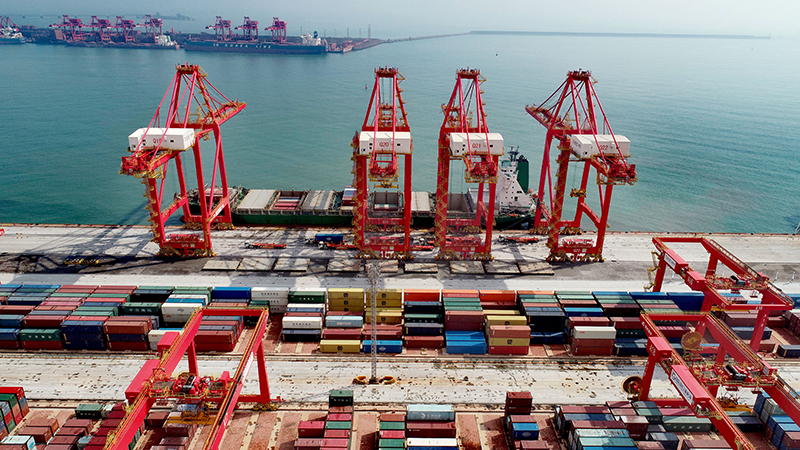 Highly Chlorinated Polyethylene Anti-corrosion Coating
-
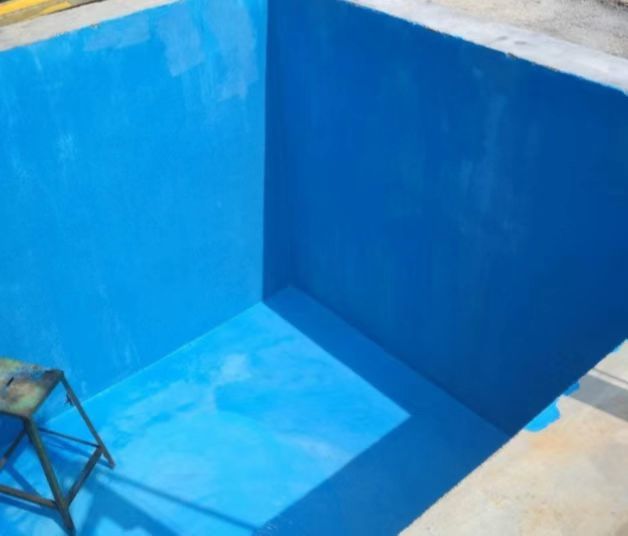 Water-resistant Coatings
Epoxy Ceramic Flooring Paint I. Product Introduction Epoxy ceramic flooring paint is a coating made by combining epoxy resin and ceramic materials. It is a high-performance, decorative, practical, environmentally friendly, and aesthetically pleasing and durable flooring paint that emerged in Europe and America in the late 20th century and has been widely used. This flooring paint uses an integral polymer surface layer, the main components of which are epoxy resin and curing agent. Product Features: First, it has excellent corrosion resistance and can resist the erosion of chemical media. This is mainly due to the chemical resistance of epoxy resin and its good bonding strength, high mechanical strength, good toughness and other comprehensive properties. Secondly, epoxy ceramic flooring paint has excellent decorative properties, its appearance color is rich and colorful, the gloss is good, and it can provide a beautiful and generous decorative effect for the ground. In addition, it is also practical, with excellent physical and mechanical properties and excellent wear resistance and impact resistance, so it can be used in a variety of occasions for ground decoration. At the same time, it is also environmentally friendly, with no solvent volatile emissions, no heavy metal elements, and meets green environmental protection requirements. III. Scope of Application Widely used in hospital floors, food factories, workshop floors, underground parking lot floors and other places that need to maintain high hygiene and aesthetics. It can effectively improve the working environment of factory workshops, meet environmental protection requirements, reduce dust and ground moisture, and improve production efficiency and work comfort. IV. Technical Indicators: Film: various colors; smooth and flat film Adhesion (1mm grid) grade: ≤1 Viscosity (25°C): 400±200CPS Impact resistance KgNaN: ≥70 Drying time h: surface dry ≤4h, solid dry ≤24h Alkali resistance, 30%NaOH, 48h: good Pencil hardness: ≥2H Acid resistance, 30%H2SO4; 48h: good Abrasion resistance, 500g, 1000 revolutions, g: ≤0.2 Ratio: main agent: curing agent = 4:1 Bending test: ≤1mm Water resistance 30 days: no blistering V. Construction Process and Steps: Surface Treatment: 1. Clean and inspect the substrate: After cleaning or vacuuming the substrate, check the substrate for cracks and voids. If any, deep cutting and cleaning are required, and then filled with epoxy resin mortar. Cleaning should not be done by rough hammering to avoid loosening the underlying layer. First coat: Epoxy sealing primer construction: Primer ratio [1 kg epoxy sealing primer A: 1 kg epoxy sealing primer B], before construction, first mix the primer A and primer B separately, then mix according to the ratio, stir thoroughly for about 3 minutes, then construction can be carried out, needs to be used up within 60 minutes, after the primer surface (4 to 5 hours) is dry, the topcoat can be applied. Second coat: Epoxy ceramic flooring topcoat construction: Topcoat ratio [4 kg epoxy ceramic flooring topcoat: 1 kg epoxy topcoat curing agent], before construction, first stir the paint thoroughly for 2-3 minutes, then mix with the curing agent according to the ratio, stir thoroughly for 3-5 minutes, then construction can be carried out. Needs to be used up within 50 minutes. This product can be used for about 30 minutes at above 25℃. Please determine the amount of each batch according to the actual temperature and construction progress. The mixed materials must be used up at one time, and the remaining A/B components must be sealed and stored. On-site cleaning and maintenance, floor maintenance After the topcoat is completed, remove the relevant construction materials and tools from the site, People are not allowed to enter and walk for at least 72 hours. And no sand and other garbage items can be brought in. The paint film usually takes 7 days to fully cure. During this period, other construction, handling, installation and other construction should be avoided. VI. Storage and Safety Protection: The product should be stored in a cool and ventilated place, protected from direct sunlight, and kept away from fire and heat. Keep the construction process dry and clean, and strictly prohibit contact with water, acid, alcohol, alkali, etc.; after mixing the paint, the curing agent packaging bucket must be tightly covered to prevent gelation. Operators should wear safety masks and gloves to avoid contact with skin or eyes. If accidental contact occurs, rinse with clean water.
Epoxy anti-rust and anti-corrosion paint (heavy-duty anti-corrosion, light-duty anti-corrosion)
Epoxy Rust Preventive and Anticorrosive Paint (Heavy Anticorrosive, Light Anticorrosive) I. Product Introduction: Epoxy rust preventive and anticorrosive paint is a special type of paint with excellent physical properties, such as good water resistance, acid and alkali resistance, tough film, strong adhesion, oil resistance, salt resistance, and resistance to chemical gas corrosion. It is used as a general-purpose anticorrosive paint for steel structure pipelines. It can be cured at room temperature, and the substrate treatment is relatively simple; only the surface mud, oil stains, and loose rust need to be removed before painting. Composition and Properties: Epoxy rust preventive and anticorrosive paint is mainly composed of epoxy resin, rust-proof pigments, additives, and organic solvents. Epoxy resin is the main film-forming substance of the paint and has excellent adhesion, wear resistance, and chemical corrosion resistance. Rust-proof pigments and additives provide rust prevention and corrosion protection functions, effectively resisting the erosion of moisture, oxygen, and corrosive substances. Organic solvents are used to adjust the paint's application properties and drying speed. II. Product Features: Excellent weather resistance: It can withstand the effects of ultraviolet rays, high and low temperatures, and other harsh weather conditions, maintaining long-term stable rust prevention and corrosion protection effects. Strong wear resistance: Even in heavy load and high friction environments, it can maintain the integrity and rust prevention performance of the coating. Excellent corrosion resistance: It can effectively resist the corrosion of various chemicals, protecting the substrate from corrosion damage. III. Product Applications: Chemical industry: Corrosion protection of the inner and outer walls of equipment in chemical plants, refineries, and storage tanks. Shipping industry: Corrosion protection of the waterline and above parts of ship hulls, cabins, and shipboard equipment. Construction industry: Rust prevention and corrosion protection of steel structure bridges, large factories, and outdoor sculptures. It can also be used for steel structure pipelines, large offshore platforms, wind power towers, oil pipelines, granaries, steel structure metal substrates, etc., providing high protection. IV. Technical Parameters: Index Parameter Color Gray, iron red, light yellow, etc. (different colors can be provided according to customer requirements) Specific gravity L/Kg 1:1.9 Flash point ℃ 26 Theoretical consumption kg/m2 0.15-0.25 Adhesion grade 0 Flexibility mm ≤2 Impact strength kg.cm 50 Salt spray resistance h ≧500 Film thickness um 180-200 Drying time h 23±2℃):Surface dry ≤2, Full dry ≤24 Ratio: Component A (paint): Component B (curing agent): Special thinner C = 5:1:1 (weight ratio), the ratio of components A and B can be adjusted according to the temperature Shelf life 12 months Drying time Surface dry (min) ≤20 Full dry (h) ≤24 V. Construction Instructions: Surface treatment: Ensure that the substrate surface is dry, clean, and free of oil stains and rust before construction. Different derusting standards should be achieved according to the usage environment. Paint mixing: Mix the main paint and curing agent according to the specified ratio, ensuring that there are no sediments or lumps. Adjust the viscosity by diluting the paint with a special thinner to the working viscosity. Painting and construction: Brushing, rolling, or spraying methods can be used to ensure that the coating is uniform and without omissions. Drying and curing: The next coat must be applied after the previous coat has dried or cured. The number of coats and coating thickness should be determined according to the construction design requirements and should completely cover the substrate. The total amount of each coat is 0.15-0.25 kg/㎡. Number of coats: The base coat generally has 1-2 coats, and the thickness of each coat must reach more than 80-100 μm. Design requirements: When the coating surface needs to be smooth and flat, the last coat should be smoothed to ensure a uniform and flat outer surface. VI. Precautions: Mix the paint and curing agent according to the required ratio before use. Mix only the amount needed and use it within 4 hours. The product should be stored in a cool, ventilated place, away from direct sunlight, fire sources, and heat sources. Keep the construction process dry and clean. Avoid contact with water, acids, alcohols, alkalis, etc. After mixing the paint, the curing agent packaging bucket must be tightly sealed to prevent solidification. Workers should wear safety masks and gloves to avoid contact with skin or eyes. In case of accidental contact, rinse with clean water. If you feel unwell, seek medical attention. Waste material handling must comply with environmental protection requirements. Do not discard it at will.
Epoxy Micaceous Iron Oxide Intermediate Paint
环 氧 云 铁 中 间 漆 一、产品简介: 环氧云铁中间漆是一种特殊的涂料,主要由环氧树脂、云母氧化铁、防锈颜料、固化剂、助剂和溶剂等组成,它具有优异的附着力、防锈性和耐久性,广泛应用于桥梁、钢结构、机械设备等领域的防腐保护。 产品特点: 优异的附着力: 该漆料在喷砂钢板上具有出色的附着力,同时在适当处理的镀锌钢材及铝合金上也表现出良好的附着力。这种强大的附着力使得它能够牢牢地粘附在基材上,不易脱落。 优良的封闭性能: 环氧云铁中间漆对富锌底漆及金属喷锌层具有优良的附着力,并能提供有效的封闭性能。这意味着它可以防止水分、氧气等外部因素穿透涂层,从而延长基材的使用寿命。 良好的耐磨性、防锈性能和耐久性: 这些性能使得环氧云铁中间漆在户外钢结构、大型机械设备等表面涂装中具有广泛的应用前景。它可以长期保护基材不受外界环境的侵蚀,同时保持其原有的色泽和光泽。 配套性能优越: 前道配套涂料:环氧铁红底漆、环氧富锌底漆、无机硅酸锌底漆 、低表面处理含锌底漆、环氧底漆、无机富锌底漆等 后道配套涂料:氯化橡胶面漆,环氧面漆,环氧沥青面漆、醇酸面漆、聚氨酯面漆、氟碳面漆、聚硅氧烷面漆、高氯化聚乙烯漆等。展现出良好的层间结合力。此外,它还可以与醇酸系列涂料配套使用,达到良好的层间附着力。 装饰性好: 环氧云铁中间漆色彩丰富,抗脏污性好,能够提供持久的装饰效果。无论是新建的建筑物还是老旧设备的翻新,都能为其带来焕然一新的外观。 环氧云铁中间漆在桥梁防腐、钢结构防腐、机械设备涂装、建筑涂装、车辆防护、工程防腐等领域有广泛应用。它适用于各种需要高性能防腐涂层的中间漆或封闭层,特别是在镀锌钢材及铝合金表面作底漆时表现出色。 三、技术参数: 检 验 结 果 项目 技术指标 检验结果 实测 测定方法(国标) 产品颜色 符合样板 符标 灰红色 目测 漆膜外观(目视) 平整光滑无杂质 符标 平整、光滑 CB1721-79 光泽 哑光 符合 28°(60°角) GB1743-79 固体含量:% 80 符标 82 GB/T1725-2007 细度μm ≤30 符标 25 硬度:h ≥2 符标 2 GB/T6739-2006 干燥时间 表干(min) ≤20 符标 1 GB/T1728-1989 实干(h) ≤24 符标 24 GB/T1728-1989 耐弯曲性(mm) 2 符标 2 GB/T1731-1993 冲击强度(cm) 50 符标 50 GB/T1732-93 附着力:(级) 1 符标 1 GB1720-79 耐盐雾:h ≥500小时 符标 不起泡、不生锈、不脱落 GB/T1771-2007 四、应用范围: 大型钢结构、桥梁、石油化工、电厂、混凝土、工程机械、沿海设施、钻井平台等领域涂装。一般普通、工业大气环境、海洋气候5年以上,较恶劣腐蚀环境则更需考虑。 金属结构领域:这种漆料可以作为防腐蚀的中间层涂料,广泛应用于钢桥、油罐、管道等金属结构的防腐保护。在这些应用中,它能够有效地隔绝水分、氧气等腐蚀因素,从而延长金属结构的使用寿命。 预处理抛丸领域:环氧云铁中间漆在冶金、集装箱、各类交通车辆、工程机械钢板预处理抛丸方面也有特别的应用。它可以作为理想的金属预处理抛丸和防锈底漆,为金属表面提供一层坚实的保护。 高性能防腐涂层:由于环氧云铁中间漆具有优异的防锈性能和耐久性,因此它也常被用作高性能防腐涂层的中间漆或封闭层。在这种情况下,它能够进一步增强涂层的防腐蚀能力,提高整体涂层的保护效果。 镀锌钢材及铝合金表面:环氧云铁中间漆还可以用于镀锌钢材及铝合金表面的底漆,展现出良好的附着力和封闭性能。这使得它能够有效地保护这些金属表面不受外界环境的侵蚀。 五、施工流程及步骤: 施工前准备: 基层处理:确保基层表面干燥、清洁、无油污和松散物。如有必要,进行打磨、除锈或喷砂处理,以提高涂层的附着力。 材料储备:按照施工需求准备好环氧云铁中间漆、稀释剂、固化剂等材料,并确保其在有效期内。 施工过程与技术要求 混合与搅拌:按照规定的比例将环氧云铁中间漆与固化剂混合,充分搅拌均匀。 喷涂操作:采用喷涂或刷涂方式,确保涂层均匀、无漏涂。注意控制涂层厚度,避免过厚导致流淌。 施工环境:确保施工环境干燥、无尘,避免在潮湿或低温环境下施工。 施工间隔:按照产品说明书的要求,控制好各道涂层之间的施工间隔时间。 油漆使用前:应充分搅拌均匀,与固化剂混合后一定要在4小时内用完,以免影响效果。 施工过程中质量控制与验收 涂层检查:在施工过程中,定期检查涂层是否均匀、无气泡、无漏涂等现象。 干燥时间与固化度:确保涂层在规定时间内完全干燥和固化,达到预期的防锈和防腐效果。 验收标准:按照相关标准和规范,对涂层进行验收,确保其符合质量要求。 安全生产管理与防护措施 安全规定:遵守施工现场的安全规定,佩戴防护用品,如手套、口罩等。 防火措施:涂料易燃,施工现场应远离火源,并配备相应的消防器材。 废弃物处理:妥善处理施工过程中产生的废弃物,避免对环境造成污染。 后期养护与维护保养 定期检查:对涂层进行定期检查,及时发现并处理可能出现的问题。 维护保养:根据需要进行维护保养,如清洁、重涂等,以延长产品使用寿命。 六、存与安全防护: 产品应存放在阴凉通风处,防止日光直接照射,并隔绝火源,远离热源; 施工过程保持干燥清洁,严禁与水、酸、醇、碱等接触;配漆后固化剂包装桶必须盖严,以免胶凝; 操作工人应戴好安全防护口罩、手套,避免接触皮肤或眼睛,如不慎接触应用清水清洗。
Acrylic Metal Baking Paint/Shower Room Special Paint
一、产品简介: 丙烯酸金属烤漆是一种高性能的涂料,主要用于金属表面的保护和装饰。它是一种由树脂、颜料和添加剂等组成的涂料,其中丙烯酸树脂是其主要成分。丙烯酸金属烤漆具有出色的耐候性、耐化学腐蚀性、耐磨性和硬度,能够长期保持金属表面的美观和光泽。 丙烯酸金属烤漆的固化过程是通过高温烘烤来实现的,通常需要在140-160℃的温度下烘烤一段时间,使涂层固化并附着在金属表面上。这种固化过程能够使涂层更加坚硬、耐磨和耐腐蚀,从而提高金属的使用寿命和耐久性。 二、产品特点: 1.高耐候性:丙烯酸树脂具有良好的耐候性,能够在各种恶劣的气候条件下保持稳定的性能,不易受紫外线、水分、氧化等因素的影响。 2. 高耐腐蚀性:丙烯酸金属烤漆具有很好的耐化学腐蚀性,能够抵御酸、碱、盐等化学物质的侵蚀,保护金属表面不受损害。 3. 高硬度与耐磨性:经过高温烘烤后,丙烯酸金属烤漆能够形成坚硬的涂层,具有很高的耐磨性,不易被划伤或磨损。 4. 优异的附着力:丙烯酸金属烤漆能够牢固地附着在金属表面,不易脱落或剥离,确保涂层与金属之间的结合牢固可靠。 三、适用范围: 1. 建筑五金:在建筑领域也有广泛应用,如高档淋浴房、卫浴、水龙头、门窗、楼梯扶手等五金产品的涂装,能够增强产品的耐候性、耐腐蚀性和装饰性。 2. 汽车工业:丙烯酸金属烤漆在汽车工业中应用广泛,用于涂装汽车车身、车门、车轮、车架、摩托车和自行车等部件。它不仅能提供良好的保护和防腐作用,还能增加汽车的美观度和光泽度。 四、涂料性状 项目 指标 检验标准 粘度S (涂4#杯,25℃) 清漆、铝粉漆 60-80 GB/T1723 透明漆、闪光漆 80-100 其它色漆 90-120 不挥发性,% 清漆、铝粉漆 42±5 GB6751 深色漆 42±5 其它色漆 60± 五、漆膜性能 项目 指标 检验标准 漆膜外观及颜色 平整光滑、颜色符合样板 GB1729 光泽(60℃)% 特黑 ≥94 GB9754 彩色漆 ≥90 哑光、闪光漆 符合标板 附着力(划格法) 100/100 GB9286 铅笔硬度 ≥2H GB6739 柔韧性,mm 1 GB/T1731 耐水性(40℃)240h 无明显变化 GB/T1733 冲击强度,kg,cm ≥50 GB/T1732 耐酸性,48h 无明显变化 常温浸于0.1HN2SO4溶液中 耐碱性 无明显变化 常温浸于0.1NNaOH溶液中 耐混合二甲苯性 无纱痕、光泽减少及明显纱布着色等现象 用棉纱布浸上二甲苯:乙醇=6:4的混合液在漆膜上来回擦拭8次 耐挥发油性,7h 没发生变色、溶解、发胀等现象 常温浸入(90#)汽油:甲苯=4:1混合溶液中 耐温热性,7h 无发白、起泡、起皱、生锈及明显的失光褪色等缺陷 GB1740 耐盐雾性,120h 线腐蚀宽度<3mm,划痕距离2mm,其余部分无异常 GB1771 耐候性,40h人工加速老化 失光率<20%,色素▲E<3.0NBS其余无明显变化 ASTMG53 六、施工参数与规格 施工方法 喷涂粘度(NK-2#杯20℃,秒) 9-14 12-8 喷涂距离,cm 20-25 25-30 喷涂口径,mm 1.1-1.3 喷涂电压,MPa 0.3-0.5 喷涂电压,KV 80-110 喷涂阻抗,MΩ 20-120 干燥条件 140℃-160℃/30min 七、注意事项 1.涂料、稀料应密封于阴凉处保存,防火、防漏、防晒、防高温,远离火源。 2.涂料贮存期为一年,请务必在一年内用完,以免影响质量。 3.涂料开罐后应充分搅拌均匀,罐底残渣混入调色缸中,使颜料沉底一起色差。 4.涂料开稀后,用200目网布过滤使用,喷涂后的工件应放在无尘环境中5-10分钟,再放入烤炉。
High Chlorinated Polyethylene Anti-corrosion Coating
Highly Chlorinated Polyethylene Anticorrosive Coating I. Product Introduction: Highly chlorinated polyethylene (HCPE) anticorrosive paint/coating uses highly chlorinated polyethylene (HCPE) resin as the anticorrosion base material. It is physically processed and formulated with high-grade anticorrosion pigments, solvents, rust-proof pigments, fillers, and additives, forming through a polymerization reaction. Products can be divided into primers and topcoats. II. Performance Characteristics: Highly chlorinated polyethylene anticorrosive paint is a single-component anticorrosive paint. The film-forming substance of this product is chemically inert, flame-retardant, and has good sealing properties. It has good resistance to atmosphere, moisture, and petroleum products, excellent outdoor weather resistance, tough coating, good temperature resistance, mildew resistance, strong adhesion, fast drying, single-component packaging, and does not require on-site mixing. Maintenance is convenient; there is mutual solubility between old and new coatings, so the firm coating does not need to be removed during maintenance. Long storage period, no skinning, no caking. III. Technical Performance: (Table of technical specifications is omitted due to its code-like nature and difficulty in accurate translation without visual context. The original table will be retained.) IV. Product Applications: This product is suitable for ships, ports, railway facilities, offshore oil platforms, highway bridges, petroleum, chemical, metallurgical, and steel equipment, containers, pipelines, wood surfaces, concrete surfaces, and factory building protection. It protects against corrosion from atmospheric conditions, seawater, acids, alkalis, salts, oils, and chemical gases. V. Construction Requirements and Storage: 1. This coating is a single-component product and can be used after opening the bucket and stirring evenly. 2. It can be constructed in a relatively wide range of ambient temperatures from -15℃ to 50℃. 3. The paint film dries quickly and can be sprayed, brushed, or dipped. 4. The coating interval time is 24 hours after the first coat of primer, then apply the second coat of primer or other intermediate coat/topcoat. The interval time for subsequent coatings is 6 hours (30℃), 8 hours (20℃), or 24 hours (0℃). 5. The paint should be thoroughly mixed before use. After mixing with the curing agent, it must be used within 4 hours to avoid affecting the effect. 6. The product should be stored in a cool, ventilated place, protected from direct sunlight, away from fire sources, and away from heat sources. 7. Workers should wear safety masks and gloves to avoid contact with skin or eyes. If accidental contact occurs, rinse with water.
Chlorinated Rubber Anti-Corrosion Coating
Chlorinated Rubber Anti-Corrosion Coating I. Product Introduction: Chlorinated rubber anti-corrosion coating is a special type of anti-corrosion coating, with chlorinated rubber as its main film-forming substance. Chlorinated rubber is a high molecular polymer obtained by chlorinated modification of natural or synthetic rubber, possessing unique chemical structures and properties. The following is a brief introduction to chlorinated rubber anti-corrosion coating: II. Basic Product Composition: Chlorinated rubber anti-corrosion coating is primarily composed of chlorinated rubber resin, pigments and fillers, additives, and solvents. Among these, chlorinated rubber resin is the main component of the coating, determining its basic properties. Pigments and fillers are used to enhance the coating's opacity, weather resistance, and mechanical strength. Additives are used to improve the coating's application performance and stability. Solvents are used to adjust the coating's viscosity for easier application. III. Product Features: 1. Good Anti-Corrosion Performance: Chlorinated rubber anti-corrosion coating can form a tough and durable protective layer under various environmental conditions, effectively resisting erosion from moisture, oxygen, chemical corrosive media, etc., thereby protecting the substrate from corrosion. 2. Excellent Weather Resistance: Chlorinated rubber anti-corrosion coating can adapt to extreme weather conditions, including high temperature, low temperature, and UV radiation. It is not prone to aging, cracking, or chalking, maintaining long-lasting anti-corrosion effects. 3. Good Adhesion and Mechanical Properties: Chlorinated rubber anti-corrosion coating has good adhesion to various substrates. After forming a coating, it can resist certain physical impacts and friction, maintaining the integrity of the coating. 4. Easy Application: Chlorinated rubber anti-corrosion coating generally has good application properties and can be applied by spraying, brushing, or roller coating. The coating dries quickly after application, with a short curing time, improving construction efficiency. 5. Long Service Life: Due to its excellent anti-corrosion, weather resistance, and mechanical properties, chlorinated rubber anti-corrosion coating can maintain the stability and functionality of the coating for a long time, extending the service life of the substrate. 6. Improved Environmental Performance: Although traditional chlorinated rubber anti-corrosion coatings might cause some environmental pollution during manufacturing, with technological advancements, modern chlorinated rubber anti-corrosion coatings pay more attention to environmental protection during manufacturing and use, reducing their environmental impact. IV. Product Application Scope: 1. Anti-Corrosion Protection in Alkaline Environments: Chlorinated rubber anti-corrosion coating is particularly suitable for alkaline environments, such as chemical equipment, petroleum equipment, power equipment, and cement components. In these environments, the coating can form an effective protective layer, resisting the erosion of corrosive media. 2. Anti-Corrosion for Outdoor Steel Equipment and Materials: For outdoor steel equipment and materials such as bridges, pipelines, automobiles, tractors, cranes, boilers, machine tools, etc., chlorinated rubber anti-corrosion coating can provide good anti-corrosion protection, extending their service life. 3. Anti-Corrosion in Coastal and Humid-Hot Regions: Due to its excellent weather resistance and water resistance, chlorinated rubber anti-corrosion coating is particularly suitable for anti-corrosion protection in coastal and humid-hot regions. In these areas, environmental factors such as high humidity and salt spray easily lead to metal corrosion, and chlorinated rubber anti-corrosion coating can effectively resist the erosion of these factors. 4. Ships, Ports, and Railway Facilities: Chlorinated rubber anti-corrosion coating is also widely used for anti-corrosion protection of ships, ports, and railway facilities. These facilities are long-term exposed to marine environments and harsh climatic conditions, making them susceptible to corrosion, and chlorinated rubber anti-corrosion coating can provide durable and stable anti-corrosion protection. 5. Concrete Surface Protection: In addition to metal materials, chlorinated rubber anti-corrosion coating can also be used for concrete surface protection. On concrete structures such as factory buildings, bridges, and pipelines, the coating can form a tough protective layer, resisting erosion from moisture, chemicals, etc.
High-temperature anticorrosion coating, resistant to 300 degrees
DB-7G高温防腐涂料耐300度 一、 产品特点: DB-7G高温防腐涂料涂层在高温条件下(300℃)具有良好的耐热性、耐油、耐酸性和耐剥离性及耐硝酸盐应力腐蚀等优异性能,可延长高炉、热风炉的使用寿命。 二、应用范围: 广泛用于化工的高炉 、热风炉内外壁及拱顶,也可用于烟囱、烟道、高温热气管道、热交换器及其它金属表面要求高温防腐的保护。 三、性能指标: 项目 指标 检验标准 漆膜外观及颜色 黑色、灰色,漆膜平整光滑 GB9761 粘度(SC涂-4#/20℃) 30-70 GB/T1723 附着力(划格法) 0 GB9286 耐腐蚀性 5%HNO3溶液煮15天无变化 GB/T 9274-88(浸泡法) 5%H2SO4溶液煮15天无变化 5%HCl溶液煮15天无变化 柔韧性,mm ≤1 GB/T1731 耐水性(40℃)240h 无明显变化 GB/T1733 冲击强度,kg,cm ≥50 GB/T1732 耐酸性,48h 无明显变化 常温浸于0.1HN2SO4溶液中 耐热性,300℃/500h 不起泡、不脱落,轻微变色 GB/T1735 耐候性,500h 失光率≤20%,色素▲E≤3.0NBS其余无明显变化 ASTMG53 四、施工参数: 1、施工条件:环境温度5℃~35℃,相对湿度≤80%。雨、雪及雾天不宜施工。 2、底材处理:喷砂处理至Sa2.5级,表面粗糙度35~70μm。 3、施工方法:推荐采用高压无气喷涂,也可采用空气喷涂、辊涂。 4、涂料配比:按重量比A:B=5:1,充分混合搅匀。 5、参考用量:200~220g/m2(干膜厚度不小于20μm)。 6、稀 释 剂:专用稀释剂,用量不超过涂料总重量的5%。 7、前道配套漆:硅酸锌防锈涂料。 五、安全防护: 1、施工前必须对参加施工的人员及管理人员进行安全教育。 2、涂料存放、搅拌及施工时,应注意通风,要严禁吸烟、明火,必须配备灭火器具,施工现场的电气设备、照明灯具及开关应选用防爆型。 3、施工人员应穿戴防护用品,当皮肤与涂料接触时,应及时用稀释剂擦净,然后用清水洗净。清洗容器或工具可用稀释剂,但用量不可过多,并须在通风处进行。 六、包装规格: A组分20kg/桶,铁桶包装;B组分4kg/桶,铁桶包装。 七、贮存期限: 贮存在阴凉、通风、干燥处,保质期为一年。超过保质期的涂料经检验合格后方可使用。
Road Reflective Marking Paint I. Product Introduction: Road reflective marking paint is a special type of coating mainly used for painting road markings, traffic signs, and vehicle license plates and other traffic facilities. Its most significant feature is its high reflectivity and bright colors, providing good visibility both during the day and at night. A single coat achieves a reflective effect. II. Main Components and Functions: The main components of road reflective marking paint include chlorinated rubber resin, pigments, reflective glass microspheres, and auxiliaries. Chlorinated rubber resin is the matrix of the coating, providing the main properties of the coating, such as adhesion, abrasion resistance, and weather resistance. Pigments provide the coating with color and hiding power, making it easier to identify and observe. Reflective glass microspheres are the key component of road reflective marking paint; their special optical properties allow the coating to achieve retroreflection at night or in low-light conditions, significantly improving the visibility of objects. Auxiliaries are used to adjust the properties of the paint, such as leveling, drying speed, and anti-aging properties. III. Product Features: High reflectivity: Road reflective marking paint has good light reflection function. After being illuminated by a spotlight, the reflective area can reach 80~90%. Bright colors: Road reflective marking paint is mainly white and yellow, the two most common colors in traffic signs and markings. Its colors are bright, not easy to fade or age, and always maintain the brightness of the paint. Excellent durability: Road reflective marking paint can withstand long-term ultraviolet radiation, rain, and traffic impact, maintaining its reflective performance and extending its service life. Anti-slip and wear resistance: Road reflective marking paint has certain anti-slip and wear resistance, able to withstand frequent walking by vehicles and pedestrians, ensuring driving safety. Easy operation: Road reflective marking paint has a short drying time and is easy to apply. It can be sprayed, brushed, or dipped, reducing construction time and traffic disruption. Environmental protection: Many road reflective marking paint products focus on environmental protection, reducing environmental pollution. IV. Technical Indicators: Item Technical Indicators Measured Product Color White, Yellow Various Colors Coating Color and Appearance Meets color requirements, surface tone is uniform and consistent, no particles, pinholes, bubbles, wrinkles Qualified Flash Point ℃ 24 24 Specific Gravity kg/L 1.5 1.5 Solid Volume Content % 55 55 Recoat Interval Minimum 30min, Maximum Unlimited Qualified Topcoat Gloss % 50 50 Raw Material Viscosity (No. 2 Cup) s ≥130 130 Fineness μm ≤15 13 Hiding Power g/㎡ ≤65 58 Drying Time Surface Dry min ≤15 Qualified Through Dry h ≤24 Qualified Theoretical Coating Rate: 2㎡/kg (Dry film thickness 180μm) 13㎡/kg (Dry film thickness 180μm, 15cm wide marking length) Ratio Paint: Thinner = 1:0.3-0.5 (Weight Ratio) Packaging Specifications Paint 20KG/barrel, Thinner 18 KG/barrel Full Cure 5 days V. Product Applications: Road markings and lane divisions: Road reflective marking paint can be used for markings and lane divisions on roads, highways, etc. Zebra crossings and traffic island markings: Applying reflective marking paint to zebra crossings and traffic islands significantly improves the visibility of these areas. Road signs and directional signs: Shops, parking lots, and directional signs can also use road reflective marking paint to increase visibility. Bridges and towers: Using reflective marking paint on the surface of bridges, towers, and other facilities can improve their nighttime visibility under strong light. Vehicle decoration and identification: Some trucks and buses spray reflective marking paint on their bodies to create a noticeable visual effect at night under the illumination of other vehicles' headlights, achieving advertising or decorative purposes. Reflective marking paint can also be used for vehicle identification and warning markings, improving vehicle recognition. Construction Process and Steps: Pre-construction preparation: Material preparation: Select appropriate standard reflective marking paint. Consider its performance, application, and use environment to ensure the paint meets project requirements. Also, prepare construction tools such as mixers, rollers, and brushes. Environmental inspection: Ensure the construction area is dry and clean, free of oil stains, dust, and other impurities. If necessary, cleaning and drying should be carried out. Safety protection: Construction personnel should wear protective clothing, gloves, and masks to prevent the reflective marking paint from harming the skin and respiratory tract. Warning signs should be set up at the construction site to prevent unauthorized personnel from entering. Reflective marking paint construction process: Base layer treatment: Polish, derust, and fill cracks on the road surface to ensure the base layer is flat, smooth, and defect-free. Primer application: Apply a uniform layer of primer to the base layer. The primer should be dry before proceeding to the next step. Reflective marking paint mixing: Pour the reflective marking paint into the mixer and mix thoroughly to ensure the glass microspheres are evenly dispersed in the paint. Reflective marking paint application: Use a roller or brush to evenly apply the reflective marking paint to the base layer. Pay attention to the consistency of the brushing direction and force to avoid brush marks, sagging, etc. Multiple coats: Multiple coats can be applied as needed to improve the reflective effect and coating thickness. The interval between each coat should be within the specified range to ensure the coating is fully dry. Maintenance and protection: After construction, the coating should be maintained and protected to avoid mechanical damage, chemical corrosion, and other adverse factors. VII. Construction Precautions: Construction temperature: Reflective marking paint construction should be carried out at a suitable temperature. Avoid construction at high or low temperatures to avoid affecting coating quality and reflective effect. Construction environment: Good ventilation should be maintained during construction to avoid dust, moisture, and other impurities contaminating the coating. Monitor weather changes closely and avoid construction in rainy, foggy, or other bad weather conditions. Construction sequence: Follow the principle of "difficult first, easy later; top down" for construction. First, handle complex areas and difficult-to-construct parts, then handle simple areas and easy-to-construct parts. Coating thickness: Control the coating thickness within the specified range. Too thick or too thin may affect the reflective effect and service life. Safety protection: Construction personnel should strictly follow safety operating procedures and wear protective equipment to ensure safe and accident-free construction. VIII. Construction Quality Control: Material inspection: Inspect the incoming reflective marking paint to ensure it meets relevant standards and design requirements. Process monitoring: Monitor the construction process comprehensively to ensure that each construction step meets the specified requirements. Address and rectify any problems promptly. Acceptance criteria: Develop detailed acceptance criteria and methods to comprehensively inspect and test the completed road to ensure it achieves the expected reflective effect and performance. IX. Post-Construction Maintenance: Regular inspection: Regularly inspect the completed road for reflective effect and performance, addressing any problems promptly. Maintenance: Regularly clean, maintain, and protect the coating to ensure it maintains good reflective effect and performance for a long time. Repair and renovation: Repair or renovate damaged or aged coatings promptly to ensure they are always in good working condition. X. Notes: Mix the paint and hardener according to the required ratio before use. Mix only the amount needed and use within 4 hours. Store the product in a cool, ventilated place, away from direct sunlight, fire, and heat sources. Keep the construction process dry and clean. Avoid contact with water, acids, alcohols, alkalis, etc. After mixing the paint, the hardener packaging bucket must be tightly sealed to prevent solidification. Workers should wear safety masks and gloves to avoid contact with skin or eyes. If accidental contact occurs, rinse with plenty of water.
Oil-Based Exterior Wall Paint Series I. Product Introduction: Oil-based exterior wall paint is a commonly used exterior wall coating, with oil-based film-forming substances as its main components. It boasts excellent weather resistance, water resistance, and stain resistance. Compared to water-based exterior wall paints, oil-based exterior wall paints perform better in terms of film formation, hardness, and gloss. II. Product Features: 1. Strong Weather Resistance: Oil-based exterior wall paint has good weather resistance, capable of resisting erosion from natural factors such as UV rays, wind, rain, and pollution, maintaining the coating's aesthetics and performance long-term. 2. Good Water Resistance: Oil-based exterior wall paint has excellent waterproof performance, effectively preventing moisture penetration and wall dampness, protecting the wall from damage. 3. Strong Stain Resistance: The surface of oil-based exterior wall paint is not easily soiled, and even if contaminated, it is easy to clean, maintaining the wall's cleanliness and aesthetics. 4. Good Film-Forming Performance: Oil-based exterior wall paint exhibits excellent film-forming properties, creating a hard, smooth coating with good gloss and abrasion resistance. III. Product Application Scope: Oil-based exterior wall paint is widely used on various building exteriors, such as residences, commercial buildings, and industrial plants. Its excellent weather and water resistance make it particularly suitable for areas with changeable weather and heavy pollution. Additionally, oil-based exterior wall paint is used for structures that require long-term exposure to harsh environments, such as bridges, transportation facilities, oil tanks, and pipelines. IV. Construction Process: Apply putty; Spray or brush apply oil-based special primer; 3. Spray or brush apply oil-based exterior topcoat twice; The entire project must strictly adhere to the construction process; Construction technical quality requirements: (1). Putty: Level the base surface with special putty. Generally, walls require 2-3 applications of putty to achieve flatness. After the putty dries completely, sand it smooth. (2). Primer: When spraying or brushing the primer, use a dedicated brush or roller, applying until the putty layer is completely sealed. (3). Topcoat: Spray or brush apply the topcoat similarly to the primer. After the first coat is surface dry, the second coat can be sprayed or brushed. The first coat should uniformly cover the wall, and the second coat should focus on less uniform areas to achieve an overall even, smooth, bubble-free, peel-free effect, with a thickness that completely covers the base. V. Precautions: 1. Main paint and thinner should be sealed and stored in a cool place, protected from fire, leakage, sun exposure, and high temperatures, and kept away from ignition sources. 2. After opening the can, the product should be thoroughly stirred. Residues at the bottom of the can should be mixed into the tinting tank to prevent pigment settling and color differences. 3. The mixture of main paint and hardener must be used within 4 hours to avoid affecting the results. 4. Do not mix with paints of other brands for application, as this may lead to undesirable consequences or losses. 5. During construction, please take appropriate labor protection measures. If paint contacts skin, it can be washed with laundry detergent and water. If discomfort occurs, please seek medical attention. 6. Disposal of construction waste materials must comply with environmental protection requirements. Do not discard casually.
Epoxy high-temperature anticorrosion coating
I. Product Introduction: Epoxy high-temperature anticorrosion paint is a special paint designed for high-temperature and highly corrosive environments. It utilizes the excellent properties of organosilicon resin and epoxy resin, combined with specific curing agents and additives, to form a tough, heat-resistant protective layer that effectively resists the erosion of external corrosive media. Its main characteristics include excellent heat resistance, corrosion resistance, wear resistance, strong adhesion, and good mechanical properties. It can maintain its protective effect for a long time under harsh conditions such as high temperature, high humidity, and strong corrosion, and is widely used in equipment protection in the petroleum, chemical, power, and metallurgical industries. II. Main Components and Their Functions: The main components of epoxy high-temperature anticorrosion paint are based on organosilicon resin and epoxy resin, combined with special curing agents, pigments, and fillers, etc. Through careful design and preparation, a unique anticorrosion system has been formed. The main function of this paint is to provide long-term and effective protection for various substrates under harsh conditions such as high temperature and strong corrosion. Organosilicon resin: As the main film-forming substance of the paint, it can form a protective film on the surface of the substrate, which has good high-temperature resistance and can effectively prevent the oxidation and corrosion of the substrate in high-temperature environments. At the same time, organosilicon resin also has good adhesion and wear resistance, which can enhance the stability and durability of the coating. Epoxy resin: As the main film-forming substance of the paint, it provides good adhesion and corrosion resistance. Curing agent: Reacts chemically with the epoxy resin to form a strong protective layer on the surface of the substrate. Pigments and fillers: Give the paint color and texture, while enhancing the weather resistance and corrosion resistance of the coating. Additives: Such as leveling agents, defoamers, and anti-settling agents, are used to adjust the application performance and storage stability of the paint. III. Product Features: Excellent heat resistance: It can work for a long time in environments up to hundreds of degrees Celsius without failure, ensuring the long-term stability and safety of the substrate. Excellent anticorrosion performance: By forming a dense protective film, it effectively isolates the corrosive medium from the substrate, greatly extending the service life of the substrate. Good chemical stability: It can resist the erosion of various chemical substances such as acids, alkalis, and salts, maintaining the integrity and functionality of the coating. IV. Application Range: Epoxy high-temperature anticorrosion paint is widely used in the petroleum, chemical, power, metallurgy, and aerospace industries. For example, in the petroleum and chemical industry, it is often used for the protection of equipment such as storage tanks, oil pipelines, and reactors; in the power industry, it can be used for high-temperature corrosion protection of equipment such as boilers, steam turbines, and generators. It can also be used for chimneys, flues, high-temperature hot gas pipelines, heat exchangers, and other metal surfaces requiring high-temperature corrosion protection. Through the analysis of practical application cases, we can find that epoxy high-temperature anticorrosion paint has shown excellent anticorrosion effect and service life in these fields. V. Coating Properties and Performance Item Index Test Standard Film appearance and color Black, silver, medium gray, smooth and flat film, color conforms to the sample GB9761 Viscosity (SC coating-4#/20℃) 60-90 GB/T1723 Adhesion (cross-cut method) 0 GB9286 Pencil hardness ≥2H GB6739 Flexibility, mm ≤1 GB/T1731 Water resistance (40℃) 240h No significant change GB/T1733 Impact strength, kg,cm ≥35 GB/T1732 Heat resistance, 600℃/30 min No blistering, no peeling, slight discoloration GB/T1735 Salt spray resistance, 120h ≤2 GB/T1771 Weather resistance, 200h Loss of gloss ≤20%, pigment ▲E≤3.0NBS, no other significant changes ASTMG53 VI. Construction Reference 1. Before construction, the metal surface should be degreased, derusted, and cleaned of dirt to improve the adhesion of the coating (preferably after sandblasting); 2. Construction ratio [5 kg paint: 1 kg curing agent: about 3 kg thinner] 3. Xylene can be used as a thinner. Air spraying is preferred, but brushing can also be used, but it is not easy to dry; 4. If sedimentation is found during storage, stir well before use; 5. Poor gasoline resistance, pay attention during construction. VII. Transportation and Storage 1. The product should be waterproof and sun-proof during transportation, avoid collisions, and comply with the relevant regulations of the transportation department; 2. The product should be stored in a cool and ventilated place, away from direct sunlight, and isolated from fire sources and heat sources; VIII. Safety Protection The construction site should have good ventilation equipment, and operators should wear protective equipment such as glasses and gloves to avoid skin contact and inhalation of paint.
Elastic (Rubber) Paint Series I. Product Introduction: Elastic rubber paint, also known as hand-feel paint or skin-like paint, is a special type of coating. When sprayed onto the surface of an object, it presents a matte or semi-matte state, with a delicate and smooth feel, and an elegant and solemn appearance. II. Product Features: Weather Resistance: It remains stable under various climatic conditions and is not easily affected by environmental factors such as ultraviolet rays, wind, rain, high temperatures, and low temperatures. Abrasion Resistance: Its surface is hard and not easily scratched or worn. Chemical Resistance: It has good resistance to a variety of chemical media and is not easily chemically corroded or polluted. Environmental Protection: It conforms to SGS green environmental protection standards and is harmless to the human body. Adhesion: It has good adhesion and can firmly adhere to various materials. Coverage: It can effectively cover defects or water streaks that may occur during injection molding. III. Application Range: Outdoor Decoration: Often used as a coating for outdoor walls, railings, fences, etc., providing excellent UV resistance, weathering resistance, and pollution resistance. Ships and Marine Equipment: Due to its good water resistance, it can effectively protect ships and marine equipment from corrosion and aging caused by water, moisture, and marine environments. Building Structure Protection: It can be used as a coating for various building structures, such as bridges, port wharves, and anchoring devices. Industrial Equipment and Machinery: It can be used to coat the surfaces of various industrial equipment and machinery, such as storage tanks, pipelines, valves, and fans. Automobiles and Vehicles: It can be used for the exterior painting of automobiles, motorcycles, bicycles, and other vehicles. Sports Grounds: Often used for the painting of sports grounds, such as basketball courts, tennis courts, and running tracks, providing anti-slip, wear-resistant, impact-absorbing, and noise-reducing functions. IV. Paint Film Performance: Item Index Test Standard Paint film appearance and color Smooth, soft, and even GB1729 Gloss (60℃) % ≤8℃, conforms to the standard board GB9754 Adhesion (cross-cut method) 100/100 GB9286 Water resistance (40℃) 24h No significant change GB/T1733 Detergent resistance, 120h No significant change Soaked in 5% chemical detergent solution at room temperature Ethanol resistance No significant change Rubbed 50 times back and forth on the paint film with a cotton gauze soaked in alcohol with a force of 300g Wet heat resistance, 120h No wrinkles, damage, pores, peeling, etc. GB1740 Weather resistance, 200h artificial accelerated aging No significant change ASTMG53 V. Precautions: Before using the paint, the sediment at the bottom of the bucket should be thoroughly stirred to avoid inconsistencies in gloss. The mixed paint must be used within 4 hours to avoid affecting the effect. The product should be stored in a cool and ventilated place, protected from direct sunlight, and kept away from fire and heat sources; Keep the construction process dry and clean, and strictly prohibit contact with water, acids, alcohols, alkalis, etc.; after mixing the paint, the hardener packaging bucket must be tightly sealed to prevent solidification; Operators should wear safety masks and gloves to avoid contact with skin or eyes. If accidental contact occurs, rinse with clean water.
DB-2B Polyurethane Two-Component Paint Series
DB-2B acrylic paint film has full gloss, with excellent weather resistance, water resistance, and gasoline resistance, good gloss and color retention, excellent overall performance, fast drying speed, convenient construction, etc.
CONTACT US
Address: Longan Industrial Zone, Duruan Town, Pengjiang District, Jiangmen City, Guangdong Province


FEEDBACK
Fill in your phone number and email information, and we will contact you in time to solve your problem as soon as possible.






Inquire Now